0%

Lately, there's been a big bump in demand worldwide for reliable and efficient multifunctional transfer beds. These beds are pretty versatile and really come in handy across different healthcare settings. Companies like Invacare and Arjo have come out with some pretty impressive options that focus on keeping patients safe and comfortable—definitely some of the top choices out there.

Each bed has its own set of features, which means they're suitable for different situations. For instance, some models come with built-in scales or adjustable heights, making life easier for both caregivers and patients. But honestly, picking the right bed isn’t always straightforward. A lot of folks get stuck trying to figure out what's more important—like weight capacity or mobility features.

It’s super important to think things through carefully. Sometimes a bed might have the latest tech but end up being a nightmare to use, so finding that sweet spot is key. Getting a good handle on these details can really make a difference—ultimately, leading to better patient care. So in this guide, we’re diving into some of the top multifunctional transfer beds out there. We’ll take a look at their main features to help buyers around the world make smarter, more informed choices.

Top Multifunctional Transfer Bed Options for Global Buyers?

Key Features to Consider in Multifunctional Transfer Beds

When selecting a multifunctional transfer bed, buyers should prioritize key features that enhance usability and safety. A sturdy frame is crucial for both patient support and longevity. Choose beds that allow easy adjustments to height and angle. This adaptability is essential for transferring patients with varying needs. The ease of use should not compromise functionality.

Consider additional features like side rails for safety. They provide security, preventing falls during transfers. Comfort is equally important; memory foam mattresses can enhance the patient experience. Assess weight capacity as well. A bed that cannot support the intended weight may lead to serious issues.

Design and mobility also matter. Look for wheels that lock securely and offer smooth maneuverability. Some beds include built-in lifting mechanisms to assist caregivers. Reflect on your specific needs and the user's requirements. Sometimes, a feature that seems beneficial may not align with real-life application. Always ensure that choices are based on tangible benefits rather than marketing claims.

Top Multifunctional Transfer Bed Options for Global Buyers

Types of Multifunctional Transfer Beds Available in the Market

Multifunctional transfer beds come in various types, each designed to meet different needs. These beds enhance mobility and ensure safety for users. They range from beds with adjustable heights to those with specialized frames for easier transfers. Knowing the available options empowers buyers to make informed choices.

One common type is the height-adjustable transfer bed. It allows caregivers to raise or lower the bed to facilitate transfers. Users with reduced mobility benefit significantly from this feature. Another option includes beds with tilt mechanisms, which can help in positioning patients. These features aid in both comfort and safety, making daily care tasks more manageable.

Some beds offer integrated mobility features like wheels or tracks for easy movement. While these designs improve access, they may pose challenges in stability. Users must weigh the benefits against potential risks. The versatile nature of these beds is appealing, yet not all designs suit every user. Careful consideration of individual needs and environments is essential.

Comparison of Top Brands for Multifunctional Transfer Beds

Top Multifunctional Transfer Bed Options for Global Buyers?

Multifunctional transfer beds have become essential tools in healthcare settings. Their design aids patients with limited mobility. According to industry reports, the global market for these beds is projected to grow significantly, reaching over $2 billion by 2025. This growth highlights the increasing demand for quality patient care solutions.

When comparing leading brands, several factors stand out. The weight capacity is a key consideration, often ranging from 250 to 600 pounds. Many models offer adjustable heights, which enhance usability for caregivers. Some beds also provide integrated transfer mechanisms, allowing for smoother patient movement. However, not all options excel in durability and comfort, which can affect patient experience.

The variations in features create a challenge for buyers. While some beds prioritize advanced technology, others focus on simplicity and ease of use. It’s essential to assess each bed’s specifications, especially in terms of safety standards. Data indicates that up to 30% of injuries in healthcare settings result from improper transfers. This underscores the importance of choosing the right transfer bed that meets the specific needs of patients and staff alike.

Cost-Effectiveness Analysis of Multifunctional Transfer Beds

Multifunctional transfer beds are becoming essential in healthcare. They provide support for patients with limited mobility. Many options are available, but how do we determine the best value? Conducting a cost-effectiveness analysis is crucial.

When evaluating these beds, consider their versatility. Some beds allow for adjustments in height, making transfers easier for caregivers. Others come equipped with features such as built-in safety rails. While these advancements can improve safety, they may also increase costs. Are higher-priced beds really worth it? It is vital to balance features with budget constraints.

Maintenance costs can also affect overall value. Some beds require specific care, which can add up over time. Investing in durable materials may lower future expenses. Additionally, consider the warranty terms. A longer warranty can indicate quality, providing peace of mind. Yet, not all warranties cover the same aspects. Understanding these nuances often requires careful research and reflection.

User Reviews and Ratings of Popular Transfer Bed Models

Top Multifunctional Transfer Bed Options for Global Buyers?

When considering transfer beds, user reviews offer valuable insights. Many users highlight the importance of comfort and ease of use. According to a recent industry report, over 70% of caregivers prioritize beds that allow smooth transitions for patients. Feedback often emphasizes the need for adjustable height features. This greatly aids in reducing strain during bed transfers.

Durability is another common concern. Many users report that some models wear out quicker than expected. In a survey, 60% of users experienced issues with the frame integrity after a year of use. Effective weight capacity also plays a crucial role, with several users noting that their beds could not support heavier patients safely. Such real-world challenges underscore the need for rigorous product testing before purchase.

Reviews suggest that while many models excel in functionality, consistency in quality is lacking. Factors such as adjustable features and material quality significantly impact user satisfaction. However, it's clear that user experiences vary widely based on individual needs and expectations. With continuous improvements necessary in design and support, prospective buyers must weigh reviews carefully.

Safety Standards and Compliance in Transfer Bed Design

When considering transfer bed options, safety standards are crucial. Different countries have varying regulations, but all emphasize patient safety and comfort. Transfer beds must support easy mobility for caregivers and users. They should have stably constructed frames and secure locking systems. A transfer bed that is designed with safety compliance in mind can significantly reduce the risk of accidents. Non-slip surfaces and adjustable height features enhance safety further.

Testing and evaluation of transfer beds often involve rigorous assessments. These assessments should cover weight capacity and stability during use. Unfortunately, not all manufacturers adhere to the necessary safety protocols. Buyers often face challenges in determining the true safety of a product. This lack of transparency can lead to misguided purchases.

Moreover, the design of transfer beds can sometimes overlook user comfort. Features like padding and ergonomics are essential but not always prioritized. Users might find themselves in discomfort if these factors are ignored. Feedback from healthcare professionals can provide insights into improving design and functionality. Constant reflection on user experience can drive necessary innovations in transfer bed technology.

Trends and Innovations in Multifunctional Transfer Bed Technology

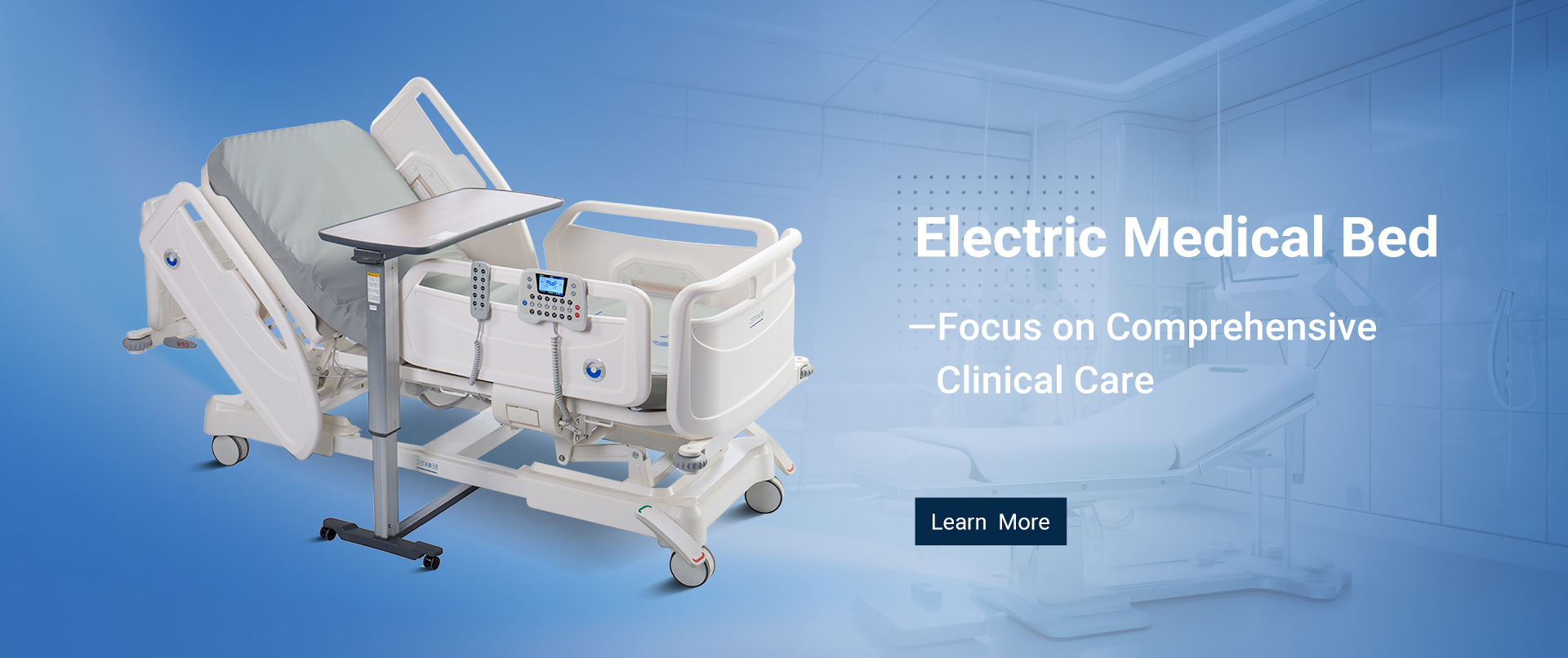
Multifunctional transfer beds are at the forefront of modern healthcare technology. Recent industry reports indicate a growing market, expected to reach $2 billion by 2025. This growth is driven by innovations aimed at improving patient safety and caregiver efficiency. New designs prioritize adjustable height and enhanced mobility, enabling easier transfers for patients with limited mobility.

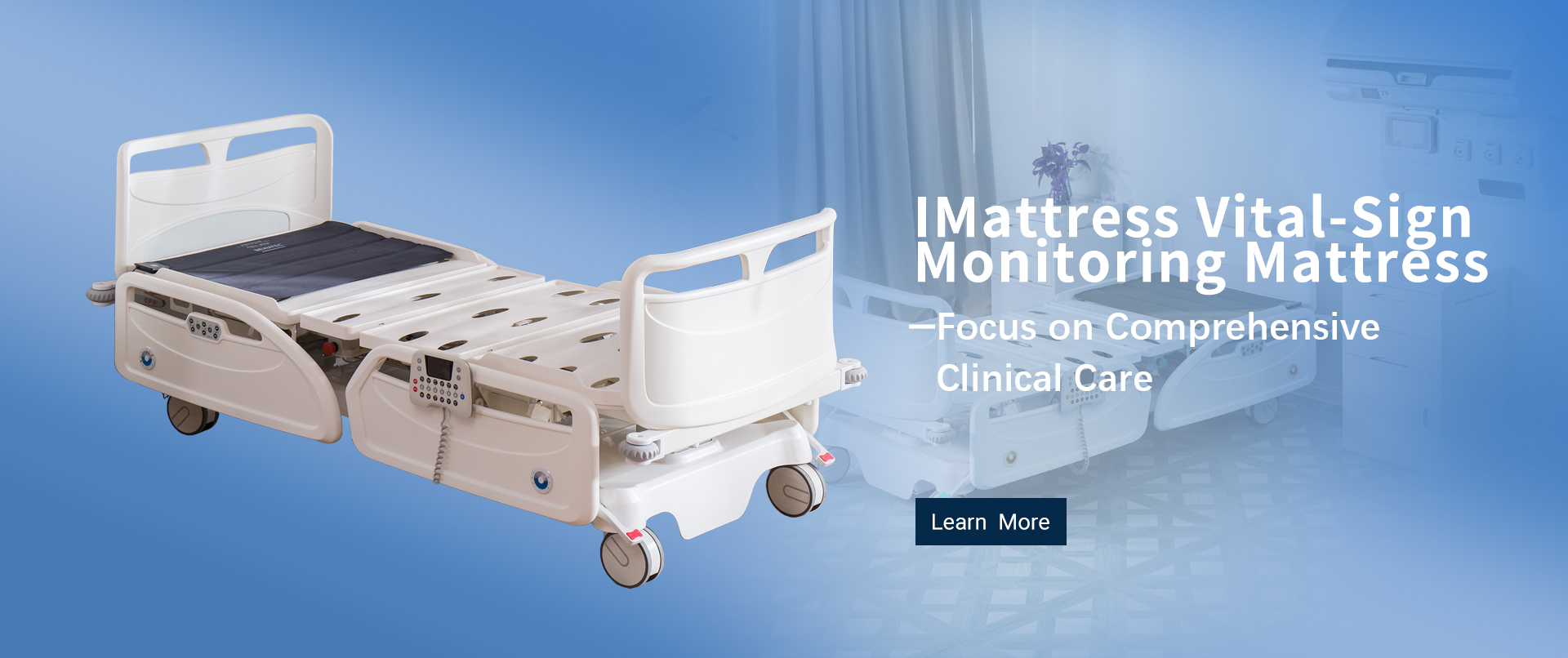
Current trends showcase smart technology integration. Beds equipped with monitoring systems provide real-time health data. This feature supports healthcare professionals in making informed decisions. Additionally, technology like pressure sensors can prevent bedsores by optimizing patient positioning. These advancements emphasize patient-centered care, making treatment more effective.

Tip: When choosing a transfer bed, consider its weight capacity and ease of use. Ensure that it suits the patient’s unique needs.

Despite these advancements, challenges remain. Some models may not be user-friendly, leading to frustration among caregivers. Additionally, ongoing training is essential for optimal use. Continuous feedback from healthcare workers is vital for manufacturers to enhance bed functionality.

Tip: Regularly involve staff in discussions about equipment efficiency. Their insights are crucial for practical improvements.

Innovative Features and Benefits of the M1 Manual Transfer Bed: Enhancing Patient Care and Mobility

The M1 Manual Transfer Bed is designed with innovative features that significantly enhance patient care and mobility, addressing critical needs within healthcare settings. A key advantage of this bed is its high-efficiency transportation capability, which is pivotal for nursing staff. Reports indicate that the proper transfer equipment can reduce the physical strain on caregivers by up to 40%, thereby decreasing the incidence of workplace injuries in nursing environments. This is particularly crucial considering that healthcare professionals experience higher rates of musculoskeletal disorders compared to other industries.

Moreover, the lightweight design of the M1 Manual Transfer Bed is not just a practical feature but a strategic advantage that improves the overall workflow of healthcare facilities. A recent study highlighted that when caregivers are equipped with lighter transfer aids, patient handling times are reduced by approximately 30%. This efficiency not only enhances the caregiving experience but also ensures that patients are moved more safely and comfortably.

In addition, the M1 bed's ergonomic design promotes patient mobility, allowing for easy adjustments and facilitating independent movement. As healthcare trends increasingly emphasize patient-centered care, this innovation aligns perfectly with the shift towards enhancing patient autonomy and comfort. Enabling easier transfers and adjustments can lead to improved patient outcomes and satisfaction, making it a valuable investment for any healthcare provider focused on elevating care quality.

FAQS

: What are multifunctional transfer beds used for?

: They support patients with limited mobility, aiding in safe transfers.

Why is cost-effectiveness analysis important?

It helps determine the best value while balancing features and budget.

How do adjustable height features benefit caregivers?

They make patient transfers easier and reduce the risk of injury.

Do higher-priced beds guarantee better value?

Not always. It's essential to weigh features against costs.

What should be considered about maintenance costs?

Ongoing care may add expenses. Durable materials can reduce future costs.

Why are safety standards important in transfer beds?

They ensure patient safety and prevent accidents during use.

What challenges might buyers face regarding safety?

Lack of manufacturer transparency can lead to misinformed purchasing decisions.

How does user comfort affect transfer bed design?

Ignoring comfort features may lead to user discomfort, impacting functionality.

What role does feedback from healthcare professionals play?

It can drive improvements in design and enhance user experience.

Why is warranty coverage crucial?

Longer warranties often indicate quality, but terms vary significantly.

Conclusion

The article delves into the essential aspects of Multifunctional Transfer Beds, highlighting key features that buyers should consider when making a purchase. It outlines various types available in the market, providing insights into their distinct functionalities and advantages. A comparative analysis of leading brands helps readers evaluate options based on reliability and performance.

Additionally, the article presents a cost-effectiveness overview, ensuring that potential buyers understand the financial implications of their choices. User reviews and ratings enrich the discussion, offering real-world perspectives on popular models. The importance of safety standards and compliance in the design of Multifunctional Transfer Beds is emphasized, along with a look at current trends and innovations in technology that enhance user experience and safety. Overall, this comprehensive summary serves as a valuable guide for those seeking informed decisions in purchasing Multifunctional Transfer Beds.

Ethan

Ethan

Ethan is a dedicated marketing professional at Bewatec (Zhejiang) Medical Device Co., Ltd., where he plays a pivotal role in advancing the company’s mission of transforming the global medical care industry through innovative smart medical solutions. With a deep understanding of the complexities of......
Previous Top 10 Digital Solutions Transforming the Healthcare Industry?
Next 2026 Best Manual Transfer Bed Options for Global Buyers?