0%

The healthcare industry’s really got its hands full when it comes to being efficient and effective. As more and more patients need care, the push for smoother, faster processes just keeps growing. Places like the Mayo Clinic and Cleveland Clinic are already working hard to find new ways to boost their productivity and do things better.

Getting more efficient isn’t just about fancy tech — though that’s a big part of it. Telemedicine has become a game-changer, helping cut down wait times and making healthcare more accessible than ever. That said, not every provider is ready to jump into these new methods right away.

Training staff and keeping communication clear are huge pieces of the puzzle. Healthcare workers need to get comfortable with new systems, and good communication helps avoid mistakes that can be costly. There’s definitely room for improvement, but a lot of organizations are still trying to hit those targets. Facing these challenges head-on is what’s gonna lead us to a better, more effective future in healthcare.

How to Improve Efficiency in the Healthcare Industry?

Understanding Efficiency Challenges in Healthcare Delivery

Understanding efficiency challenges in healthcare delivery is vital to improving patient outcomes. A complex blend of communication barriers, organizational inefficiencies, and technology gaps often hinders progress. For instance, fragmented systems can lead to delays in patient care, causing frustrations for both staff and patients.

To tackle these issues, it’s essential to foster better communication. Encourage regular meetings among healthcare teams. These sessions can address specific challenges and enhance collaboration. Utilize technology effectively, but remain aware of any learning curves. Sometimes, tech solutions complicate workflows rather than simplify them.

Another crucial area for reflection is resource management. Many healthcare facilities struggle with staff shortages and high turnover rates. When workflows aren't optimized, providers can feel overwhelmed. Regular training programs and mentorship can help ease this stress. Ultimately, understanding these challenges is the first step toward creating a more efficient healthcare system.

Implementing Technology Solutions for Streamlined Operations

Technology solutions play a crucial role in enhancing efficiency in the healthcare industry. Electronic health records (EHR) streamline patient information management. They reduce time spent on paperwork, allowing healthcare professionals to focus on patient care. Furthermore, telehealth platforms enable remote consultations. This not only expands access to care but also cuts down on travel time for both patients and providers.

Automated scheduling systems can significantly minimize appointment conflicts and no-shows. Efficient resource allocation is critical. However, many institutions still rely on manual processes that can lead to errors. Implementing data analytics tools offers insights into operational bottlenecks. These tools help identify trends that inform better decision-making. Yet, the integration of such technologies requires training. Staff must adapt to new systems, which can be challenging.

Interoperability remains another hurdle. Different systems often fail to communicate. This lack of seamless data exchange can impact patient care. Continuous evaluation of technology adherence is essential. Regular feedback can highlight areas for improvement. While technology brings promise, its effectiveness hinges on proper implementation and staff engagement.

Healthcare Efficiency Metrics Over Time

This chart illustrates the operational efficiency of the healthcare industry over five years, demonstrating a steady improvement in efficiency due to the implementation of technology solutions.

Enhancing Patient Flow Through Process Optimization

Effective patient flow is vital for efficient healthcare delivery. Process optimization plays a critical role in enhancing this flow. Streamlining operations can drastically reduce wait times, improving patient satisfaction and outcomes. Hospitals often grapple with bottlenecks in various departments. Identifying these pain points is the first step towards better management.

One way to enhance patient movement is by adopting a lean management approach. This method focuses on eliminating waste in processes. For example, unnecessary paperwork can delay patient intake. By digitizing these forms, facilities can save time. Staff training is also crucial. Efficient communication among team members can ensure smoother transitions. However, change may face resistance, highlighting the need for ongoing assessment of strategies.

Engaging with patients through surveys can provide valuable insights. Feedback can reveal areas that require attention. Additionally, not every solution will work seamlessly for all facilities. Continuous evaluation and flexibility are key to finding what truly enhances patient flow. Balancing innovation with practical application remains a challenge in many institutions.

Investing in Staff Training and Development for Better Performance

Investing in staff training and development is crucial for enhancing healthcare efficiency. Skilled employees can make informed decisions, leading to better patient outcomes. Training programs should be tailored to meet specific needs. Regular workshops and seminars can keep staff updated with industry trends.

Consider creating mentorship initiatives. Experienced staff can guide newcomers, fostering a culture of continuous learning. This approach can bridge knowledge gaps. Encourage open communication about training needs. Staff may have insights that management doesn’t see.

Here are some tips for effective training:

  • Implement hands-on training. Simulation exercises can improve practical skills.
  • Use feedback loops. Regular assessments help identify strengths and weaknesses.
  • Provide resources for self-study. Access to online courses can facilitate personal growth.

Investing in development not only enhances skills but also boosts morale, leading to a more dedicated workforce. Remember, training should evolve with the healthcare landscape. Reflecting on these aspects can lead to more meaningful improvements in efficiency.

Utilizing Data Analytics for Informed Decision-Making

Data analytics plays a pivotal role in the healthcare industry today. By harnessing large datasets, healthcare providers can make informed decisions that improve patient outcomes. For instance, analyzing patient records helps identify trends in diseases. This information enables preventive measures that could save lives.

Effective use of data analytics also enhances resource allocation. Hospitals can predict patient admissions using historical data. This allows them to optimize staffing levels and better manage emergency room flow. However, despite these advantages, some organizations struggle to implement data analytics effectively. There may be gaps in training and expertise, leading to underutilization of valuable data.

Moreover, privacy concerns arise with patient data management. Balancing data use with ethical guidelines requires careful consideration. Continuous training on data security is essential for healthcare professionals. It's a complex challenge, yet the potential benefits of informed decision-making through data analytics remain undeniable. Embracing this technology can revolutionize healthcare delivery, making it more efficient and responsive.

Promoting Collaboration Across Healthcare Teams and Departments

In the ever-evolving healthcare landscape, fostering collaboration across teams and departments can significantly enhance efficiency. When healthcare professionals communicate effectively, patient care improves. Regular meetings and open lines of communication are vital. Conducting interdisciplinary rounds ensures everyone is on the same page regarding patient treatment plans.

Tips: Encourage team-building activities. This helps build trust among team members. Consider shared digital platforms for seamless information exchange. Such steps help avoid duplication of work. Regular feedback sessions can reveal areas needing improvement.

Another practical approach is creating clear roles and responsibilities. Ambiguity can lead to confusion and frustration. Establishing clarity helps teams operate smoothly. Evaluate performance periodically. Identify bottlenecks and work on solutions as a collective unit.

Tips: Celebrate small wins to motivate teams. Constant recognition builds a positive atmosphere. Always be open to re-evaluating processes. Adaptability is crucial in healthcare. It’s essential to reflect on what works and what doesn’t. Building a resilient team leads to better outcomes for patients.

Leveraging Telemedicine to Expand Access and Reduce Costs

Telemedicine has emerged as a vital tool in improving healthcare efficiency. According to a report by McKinsey, telehealth usage stabilized at 38 times pre-pandemic levels by mid-2021. This surge illustrates how technology can expand access to care. Patients who use telemedicine often experience shorter wait times and enhanced convenience. For instance, rural patients can consult specialists without long commutes.


Cost reduction is another significant benefit. A study from the American Hospital Association indicated that telemedicine can lead to a reduction of up to 20% in healthcare costs. By minimizing overhead expenditures and optimizing resource allocation, hospitals can invest more in quality care. However, challenges remain. Not all patients have access to the necessary technology. Digital literacy varies widely among populations, potentially leaving vulnerable groups behind.


As healthcare systems adopt telemedicine, the industry must address these disparities. Ensuring equitable access is vital for maximizing the benefits of telehealth. Continuous training and support for both providers and patients will help bridge the gap. Embracing these changes may significantly enhance service delivery and contribute to a more efficient healthcare environment overall.

Revolutionizing Patient Care: Insights from the 2023 Sleep Medicine Journal on iMattress Vital-Sign Monitoring Mattress

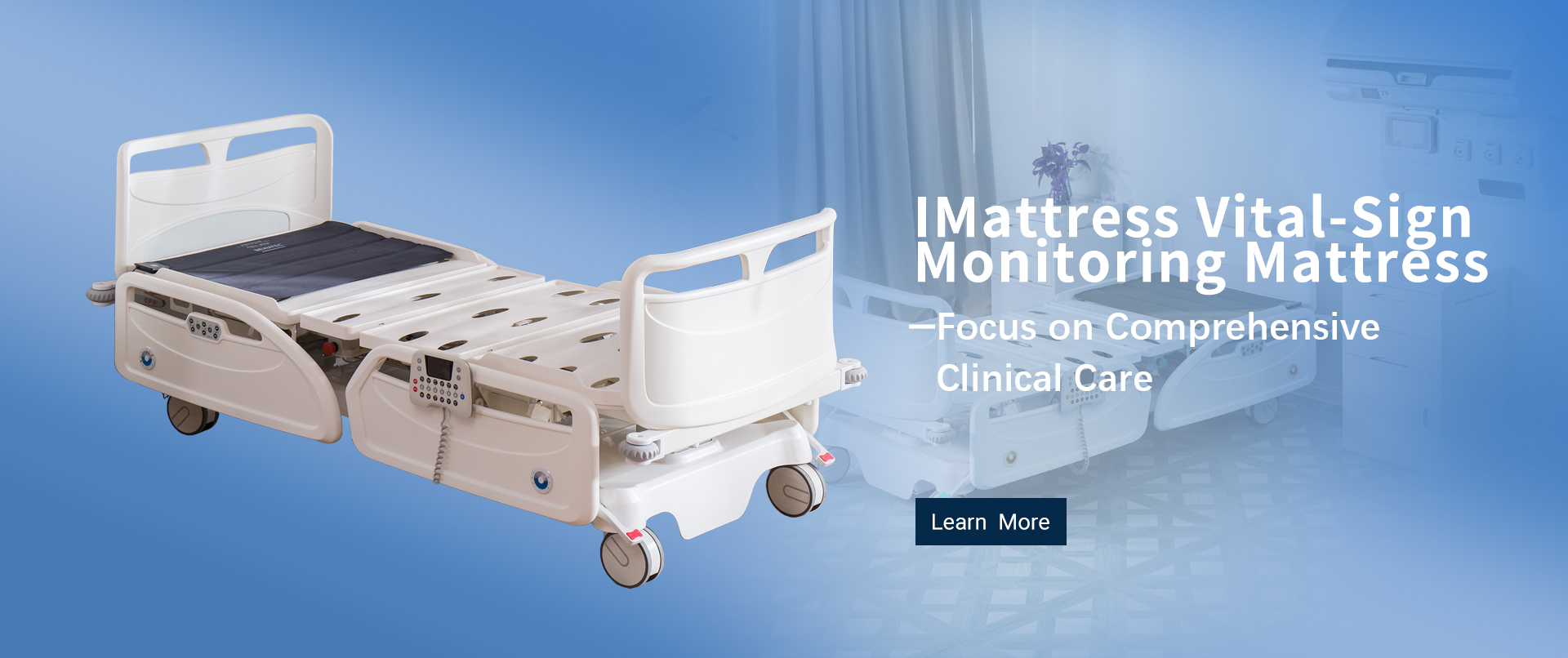
The field of sleep medicine is experiencing transformative advancements, as highlighted in the 2023 Sleep Medicine Journal. One significant innovation is the development of vital-sign monitoring mattresses, which leverage cutting-edge technology to revolutionize patient care. These mattresses not only enhance comfort but also provide continuous monitoring of patients' vital signs, enabling healthcare professionals to respond promptly to changes in their condition.

The FOM-BM-IB-HR-R model, with its precise dimensions of 836 mm by 574 mm and a thickness of 9 mm, exemplifies this advancement. The integration of sensors into the mattress fabric allows for a non-invasive approach to tracking vital parameters such as heart rate and respiratory patterns, crucial for patients in critical care settings. Reports suggest that such innovations can lead to a reduction in hospital stay durations by up to 20%, significantly improving patient outcomes and overall healthcare efficiency.

Furthermore, the ability to collect real-time data can drive better decision-making in clinical settings. As highlighted in recent studies, early detection of abnormalities can reduce the likelihood of complications, showcasing the critical role of technology like the vital-sign monitoring mattress in enhancing both patient safety and comfort. This approach not only streamlines patient care but also addresses the broader challenges faced by healthcare providers in contemporary settings.

FAQS

: How do technology solutions improve healthcare efficiency?

: They streamline operations, reduce paperwork, and enhance patient care through tools like electronic health records.

What role do telehealth platforms play?

Telehealth allows remote consultations, expanding access to care and reducing patient travel time.

Why are automated scheduling systems important?

They minimize appointment conflicts and decrease no-shows, leading to better time management for healthcare providers.

What challenges come with technology integration in healthcare?

Staff must adapt to new systems, which can be difficult and may lead to errors if not properly implemented.

How can data analytics assist healthcare providers?

It enables informed decision-making by identifying trends in patient records and improving resource allocation.

What are common obstacles in utilizing data analytics?

Gaps in training and expertise can lead to the underutilization of available data and missed opportunities for improvement.

Why is staff training essential in healthcare?

Well-trained staff make informed decisions, improving patient outcomes and operational efficiency.

What methods can improve training effectiveness?

Hands-on training, feedback loops, and access to online resources can significantly enhance skill development.

How can mentorship programs benefit healthcare staff?

Experienced staff can guide newcomers, fostering a culture of continuous learning and bridging knowledge gaps.

What ethical considerations should be made regarding patient data?

Balancing data usage with privacy concerns requires ongoing training on data security for healthcare professionals.

Conclusion

The healthcare industry faces numerous efficiency challenges that hinder optimal patient care and resource utilization. To address these issues, it is essential to implement technology solutions that streamline operations, thus improving overall workflow. Additionally, enhancing patient flow through process optimization can significantly decrease wait times and increase satisfaction levels.

Investing in staff training and development will empower healthcare professionals to perform better and adapt to evolving industry demands. Utilizing data analytics for informed decision-making enables organizations to identify trends and implement strategies effectively. Collaboration across healthcare teams and departments fosters improved communication and patient outcomes. Finally, leveraging telemedicine can expand access to care and reduce costs, making the healthcare industry more efficient and equitable for all.

Oliver

Oliver

Oliver is a dedicated marketing professional at Bewatec (Zhejiang) Medical Device Co., Ltd., where he plays a crucial role in promoting the company’s innovative solutions in smart medical care. With a deep understanding of the healthcare landscape, he focuses on the digital transformation of the......
Previous What Are the Benefits of Manual Beds for Healthcare Facilities?