The idea of a Multifunctional Transfer Bed is really changing the game when it comes to patient care. Dr. James Anderson, a well-known expert in rehab tech, mentions, 'These beds really boost mobility and safety for both patients and those taking care of them.' Basically, these beds are designed to help people move safely and comfortably—they can support different positions depending on what’s needed. They’re not just convenient; they actually reflect a more compassionate approach to care. With adjustable settings, patients can transition smoothly from lying down to sitting up, which can really help prevent injuries. That said, not all Multifunctional Transfer Beds are built the same—some might lack key features or be lower in quality. As this industry keeps evolving, it’s so important to look closely at your options. Safety should always come first. Checking out trusted brands like Medline or Invacare can help you make smarter choices. Ultimately, picking the right transfer bed can make a huge difference in a patient’s comfort and recovery journey.

Understanding the Multifunctional Transfer Bed: An Overview
A multifunctional transfer bed is designed to aid individuals with limited mobility. This innovative equipment combines various functions to enhance patient care and comfort. It often features adjustable height settings, tilt options, and side rails for safety. This design maximizes ease during transfers, whether it involves getting in or out of bed, or moving to a wheelchair.
The key benefits of these beds are significant for both caregivers and patients. They reduce the physical strain on caregivers during patient transfers. This can prevent injuries related to lifting or moving patients manually. Moreover, patients experience greater independence. They can adjust their position without relying entirely on others. However, not all beds fulfill these needs effectively, and some may lack essential features. This inconsistency can lead to frustration.
In the healthcare environment, choosing the right transfer bed is crucial. Care providers should assess the specific needs of their patients. It is essential to consider both safety and comfort. Exploring various options may take time and effort. Still, the long-term benefits can enhance overall patient care. This process requires reflection and careful evaluation to ensure the best choice is made.
Key Features of Multifunctional Transfer Beds
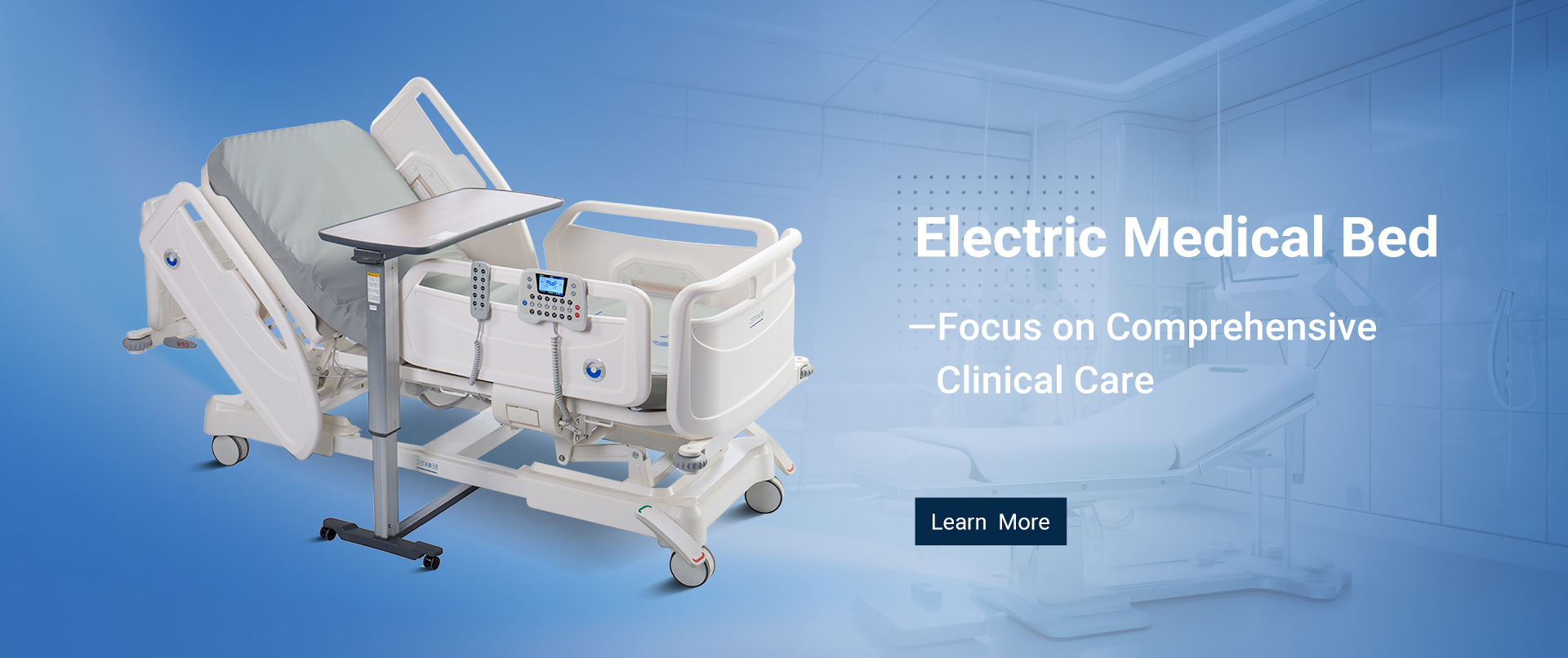
Multifunctional transfer beds are designed for enhanced patient mobility and comfort. They integrate various features that cater to different healthcare needs. A key characteristic is their adjustable height. This allows caregivers to easily transfer patients from wheelchairs or stretchers without straining their backs. Additionally, many beds come with side rails that provide safety and support during transfers.
Another important feature is customizable positioning. Many beds allow for adjustments in both the head and foot sections. This flexibility helps alleviate pain and improve circulation for patients. Furthermore, these beds often have integrated mobility aids, such as wheels. This facilitates smooth movement to different areas of care, enhancing the patient experience.
Despite the benefits, it's essential to recognize some challenges. Not all beds are easy to maneuver in tight spaces. Additionally, caregivers may require training to use these features effectively. It's crucial to weigh both the advantages and limitations when considering a multifunctional transfer bed.
Benefits of Multifunctional Transfer Beds
Primary Benefits of Using Multifunctional Transfer Beds
Multifunctional transfer beds are innovative solutions for patient care. They provide various functionalities that enhance comfort and safety. These beds are designed to assist in transferring patients with limited mobility. Their adjustable features help reduce the risk of falls and injuries during transfers.
One significant benefit of using multifunctional transfer beds is their versatility. They can be adjusted to various heights and positions. This adaptability makes transfers smoother for both patients and caregivers. It allows caregivers to position the bed at the right level, reducing physical strain. Such ergonomic features contribute to a safer care environment.
Another important aspect is the enhanced patient comfort. Many designs include soft, supportive mattresses that aid in pressure relief. Patients can feel more secure and relaxed during transfers. However, caregivers may find these beds challenging to maneuver in smaller spaces. Identifying the right fit for specific needs is crucial. Balancing comfort with practicality can lead to better outcomes in patient care.
What is a Multifunctional Transfer Bed and Its Benefits? - Primary Benefits of Using Multifunctional Transfer Beds
| Feature |
Description |
Benefits |
| Adjustable Height |
The bed can be raised or lowered to accommodate different patient needs and caregiver accessibility. |
Enhances comfort and safety for both patients and caregivers, making transfer easier. |
| Side Rails |
Equipped with side rails to provide extra safety and support for patients. |
Prevents falls and provides stability for patients during transfers. |
| Wheeled Base |
Mobile design allows for easy movement across different rooms or spaces. |
Increases versatility and accessibility, facilitating patient transfer to various locations. |
| Weight Capacity |
Designed to support a wide range of patient weights and sizes. |
Ensures durability and stability, accommodating various user needs. |
| Ease of Cleaning |
Materials used are easy to clean and maintain. |
Promotes hygiene and prevents infections in healthcare settings. |
| Versatility |
Can be used in various settings, including hospitals, nursing homes, and home care. |
Provides flexibility in care settings, meeting the changing needs of patients. |
How Multifunctional Transfer Beds Enhance Patient Mobility
Multifunctional transfer beds are designed to enhance patient mobility with safety and comfort. These beds often feature adjustable heights and angles, allowing caregivers to position patients effectively. This adaptability significantly reduces the risk of falls during transfers. Studies show that these beds can lead to higher patient satisfaction and quicker recoveries. They empower patients with greater independence, enabling them to participate in their care more actively.
As patients gain mobility, they often experience improved mental and physical health. Multifunctional transfer beds encourage movement, which helps prevent complications like pressure sores and muscle atrophy. However, introducing such beds requires training for healthcare staff. Poor usage can lead to safety issues and ineffective patient support. It's crucial to evaluate these potential pitfalls to ensure the best outcomes.
While multifaceted in design, these beds also raise questions about costs and maintenance. Some institutions may struggle to allocate resources for such equipment. This reality can hinder the widespread adoption of transfer beds, despite their clear benefits. Reflecting on these challenges can help healthcare facilities implement effective solutions that maximize patient care and mobility.
Safety and Comfort Considerations for Multifunctional Transfer Beds
Multifunctional transfer beds are innovative solutions designed for ease and safety. When considering safety, one must focus on the bed's weight capacity and stability. A bed should accommodate various user weights without tipping. Users often experience anxiety when transferring due to instability. Proper features, such as guardrails and non-slip surfaces, enhance safety. These additions help prevent accidents and ensure secure transfers, promoting peace of mind for both users and caregivers.
Comfort is equally crucial. A transfer bed should offer adjustable positions to suit user preferences. The right mattress can significantly impact overall comfort during transfers. Some may overlook the importance of material choice, which affects both support and pressure relief. Small details like temperature regulation can enhance the user experience. It’s vital to consider how these factors improve daily usability.
Consider these tips: Ensure regular checks on bed functionality to maintain safety. Adjust the bed according to user preferences to foster comfort. Lastly, involve caregivers in the assessment process to address any concerns. User experience can highlight potential issues. Always seek feedback for continuous improvement. Balancing functionality with comfort and safety helps create an environment that meets various needs.
Applications of Multifunctional Transfer Beds in Healthcare Settings
Multifunctional transfer beds play an essential role in healthcare settings. These beds are designed to facilitate patient mobility and care, making them invaluable in hospitals and rehabilitation centers. Their adjustable features allow for seamless transitions between positions. This is crucial for patients recovering from surgeries or those with limited mobility.
In acute care environments, these beds enable healthcare professionals to provide better support. For instance, quickly transferring a patient from lying down to sitting up can improve comfort and enhance recovery. Additionally, they can assist in reducing the risk of bedsores, as patients can be repositioned with ease. However, healthcare staff must be trained properly to use these beds efficiently. A lack of training can lead to misuse, diminishing the potential benefits.
These beds also find applications in home care settings. For patients who require ongoing assistance, having a multifunctional transfer bed can enhance quality of life. Family caregivers can manage patient care more effectively with such equipment. Yet, it's vital to assess the specific needs of each patient. Not every transfer bed design suits every individual, so careful consideration is essential. Balancing functionality with patient comfort and safety remains a challenge that healthcare providers must continually address.
Comparing Multifunctional Transfer Beds with Traditional Beds
Multifunctional transfer beds have gained popularity due to their innovative design and patient-centric functionalities. Unlike traditional beds, these beds allow for easier mobility and increased independence for patients. Specifically, studies show that users experience up to a 60% reduction in the need for caregiver assistance when using these specialized beds. The ergonomic design can enable patients to stay active and engaged in their care.
Traditional beds can limit mobility, posing risks for patients with limited physical capability. A significant finding from healthcare reports indicates that 20% of falls in hospitals occur when patients are transferred from bed to wheelchair. In contrast, multifunctional transfer beds significantly lower this risk. They provide integrated features like adjustable height and tilt, promoting safer transitions from lying down to sitting up.
Despite these benefits, some caregivers express concern about the complexity of multifunctional beds. They require a certain level of training. While multifunctional beds enhance independence, the need for user education is essential. Healthcare providers must ensure caregivers understand how to use these beds safely and efficiently. Balancing advanced technology with user-friendliness remains a key challenge in the industry.
Innovative Comfort: Exploring the M2 Hydraulic Transfer Bed in the Machaon Series
The M2 Hydraulic Transfer Bed in the Machaon Series embodies the essence of innovative comfort, redefining the standards of patient care equipment. This state-of-the-art bed is designed not only for functionality but also for the utmost safety of patients and caregivers alike. Its hydraulic system allows for smooth and effortless adjustments, ensuring that users can reposition patients with ease while minimizing physical strain. The emphasis on comfort is evident as the bed adapts to the varying needs of users, providing a supportive environment that enhances the overall healing process.
Alongside the M2 Transfer Bed, the multi-functional transportation trolley serves as a pivotal addition to patient handling solutions. This trolley has been crafted for versatility and speed, operating seamlessly under various critical conditions. Its robust design ensures stability and safety during transport, making it an ideal partner for the M2 bed. By facilitating quick movements between different care areas, the trolley enhances workflow efficiency in clinical settings while prioritizing patient safety. Together, these innovations represent a significant advancement in the field of medical equipment, emphasizing the necessity of comfort and effectiveness in patient care.
FAQS
: They are beds designed to enhance patient mobility, safety, and comfort with adjustable heights and angles.
They allow easier transitions between positions, helping patients recover faster and experience improved comfort.
Patients gain greater independence, reducing reliance on caregivers and participating more actively in their care.
Yes, proper training is essential to use these beds effectively and ensure patient safety.
Costs and maintenance can be significant barriers, affecting their widespread adoption despite clear benefits.
They promote safer mobility and significantly reduce the risk of falls, unlike traditional beds that can limit movement.
Yes, they enhance quality of life for patients requiring ongoing assistance, but need careful consideration for individual needs.
Poor usage due to inadequate training can lead to safety issues, reflecting the need for continuous evaluation and improvement.
By assessing patient needs and ensuring staff are trained, healthcare providers can enhance functionality and comfort.
Improved mobility often leads to better mental health and prevents complications like muscle atrophy and pressure sores.
Conclusion
A Multifunctional Transfer Bed is an innovative solution designed to enhance patient care by facilitating easier movement and transfer of patients in healthcare settings. These beds feature adjustable heights, integrated transfer boards, and supportive structures that aid both healthcare providers and patients. The primary benefits of using Multifunctional Transfer Beds include improved patient mobility, reduced risk of injury for both patients and caregivers, and enhanced comfort during transfers.
Additionally, safety features are paramount in these beds, addressing concerns about patient comfort and security during use. Multifunctional Transfer Beds are particularly advantageous in environments such as hospitals and rehabilitation centers, where efficient patient handling is critical. When compared to traditional beds, they offer significant advancements in functionality and adaptability, ultimately leading to better outcomes and experiences for patients and healthcare staff alike.