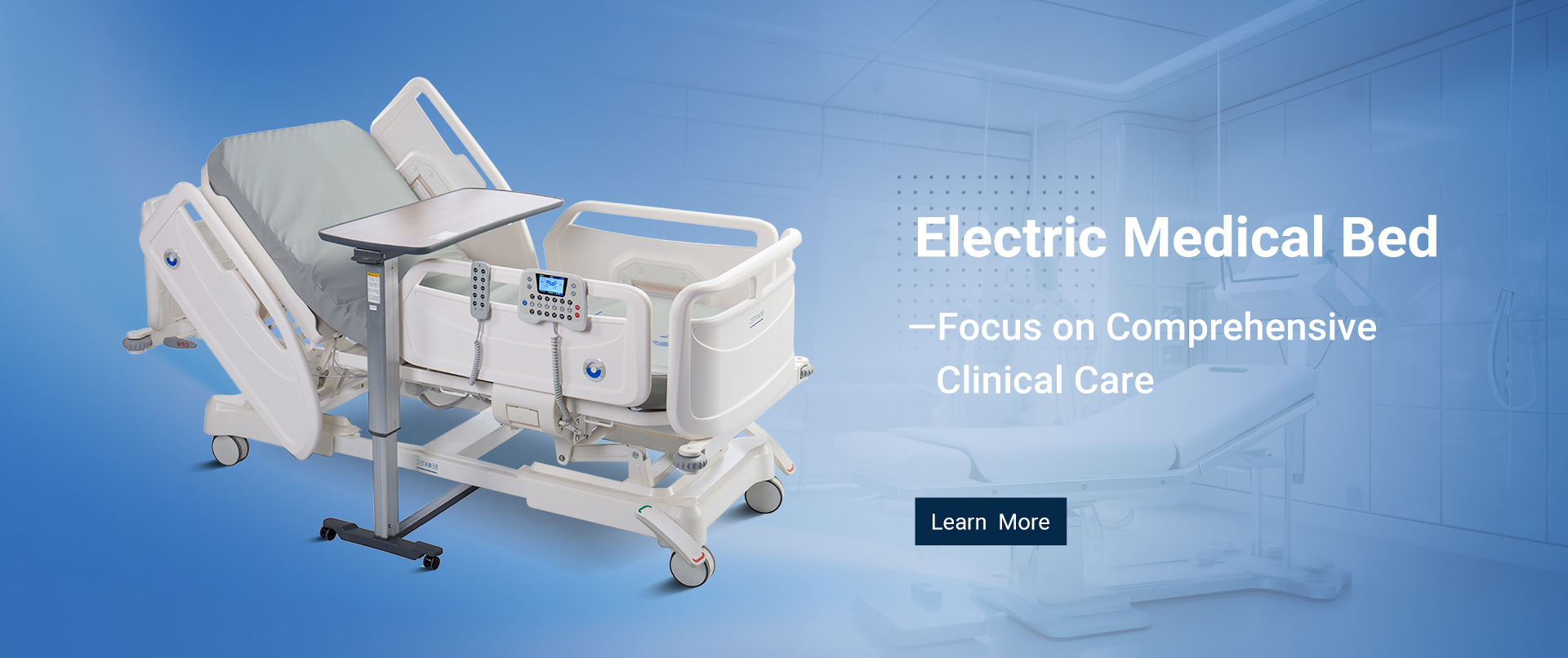
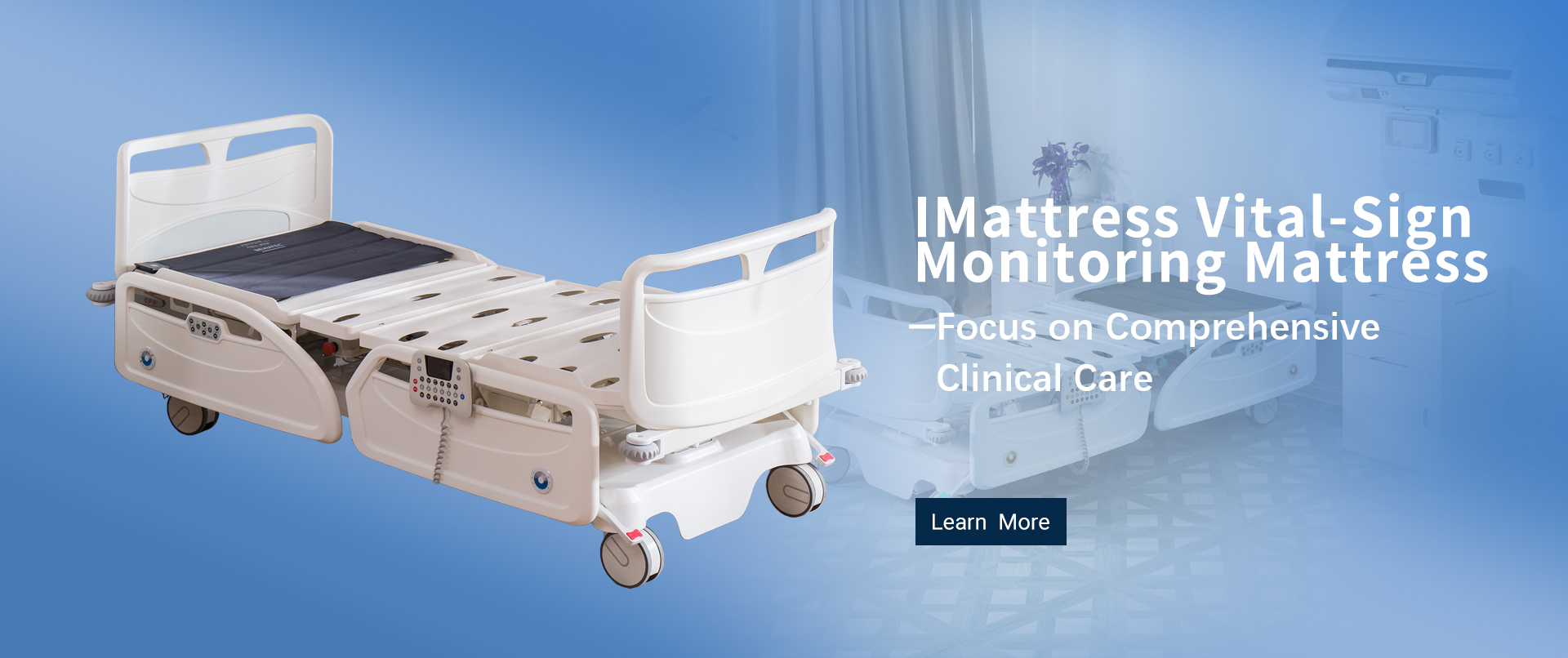
Lately, there's been a noticeable jump in the popularity of the M1 Manual Transfer Bed around the world. The World Health Organization points out that about 15% of folks globally live with some form of disability, which really puts a spotlight on how important accessible healthcare options are. The M1 bed is designed to make moving patients easier and more comfortable, fitting into a variety of healthcare environments.
Experts in the industry will tell you that having a dependable transfer bed is absolutely key to keeping patients safe. The M1 actually has adjustable heights so caregivers can work more comfortably and ergonomically. Plus, its solid build can handle patients of different sizes without wobbling, which adds an extra layer of confidence during transfers. That said, not all beds out there are created equal—it's really important to check the quality before you buy anything.
While the M1 Manual Transfer Bed is definitely a popular pick, keep in mind that not every model offers the same features. Sometimes folks overlook how important it is for controls to be user-friendly or for the bed to be mobile enough to handle different situations. Doing a bit of homework and comparing a few options can save you a lot of headaches later on. As healthcare keeps evolving, having reliable equipment is more crucial than ever, especially for clinics and hospitals across the globe.

Key Considerations for Choosing an M1 Manual Transfer Bed
When selecting an M1 manual transfer bed, buyers should prioritize features that enhance safety and usability. User-friendly height adjustments are crucial. A study from the American Journal of Nursing indicates that adjustable bed height can significantly reduce the risk of falls and injuries for both patients and caregivers. This feature allows for easier transfers, contributing to better patient outcomes.
The layout and materials of the bed frame are equally important. A robust, lightweight design can facilitate easier maneuverability. According to data from the Journal of Rehabilitation Research and Development, manual transfer beds designed with ergonomic handles improve user access and decrease strain on caregivers. This alignment with ergonomic principles not only increases comfort but also enhances the bed’s overall stability.
One frequently overlooked aspect is the bed's surface material. Durability and ease of cleaning can affect long-term reliability. A report from the Healthcare Technology Foundation emphasizes the role of antimicrobial materials in reducing infection rates within medical settings. Buyers should consider how these aspects can impact both hygiene and maintenance. Each feature plays a significant role in ensuring that the manual transfer bed meets both user and caregiver needs effectively. Finding the right combination of these attributes can ultimately influence the decision-making process significantly.
Essential Safety Features in M1 Manual Transfer Beds
When considering manual transfer beds, safety is paramount.
These beds should have sturdy side rails that can be easily adjusted.
Such features prevent falls and provide reassurance during transfers.
Additionally, a non-slip surface is crucial. It reduces the risk of sliding,
ensuring patient stability.
A reliable braking system is another essential safety feature.
This system keeps the bed secure during transfers, preventing accidental movement.
Furthermore, the design should include easy-to-operate controls.
These controls allow caregivers to adjust the bed height smoothly,
enhancing both safety and comfort.
Yet, some designs may still pose challenges. For example, complicated mechanisms
can confuse caregivers, leading to potential dangers. Regular training on
bed use can mitigate such issues. Ensuring optimal safety in manual transfer
beds ultimately requires attention to detail and a commitment to ongoing evaluation.
Adjustability Options for User Comfort in M1 Manual Transfer Beds
Adjustability options play a crucial role in M1 manual transfer beds, enhancing user comfort and accessibility. Reports indicate that nearly 60% of users prioritize adjustability features. These adjustments not only accommodate varying medical needs but also cater to personal preferences, allowing for a more customized experience. Typical features include adjustable head and foot sections, enabling users to find their ideal position for relaxation or medical treatments.
One significant aspect is the ease of manual adjustments. A study published by the Journal of Healthcare Engineering reveals that user-friendly design leads to a 30% increase in overall satisfaction. Many manual transfer beds incorporate simple hand cranks or levers, allowing caregivers to make adjustments quickly. However, some beds still lack intuitive mechanisms, prompting a call for manufacturers to rethink design strategies.
Furthermore, comfort isn't solely about adjustability. Materials and construction play a vital role. High-density foam mattresses, for example, can significantly reduce pressure sores. Yet, many budget models still utilize lower-quality materials. This reflects a need in the market for better-quality options that cater to varying budgets while maintaining essential comfort features. Overall, the market continues to evolve, but some areas require improvement to meet user expectations fully.
Durability and Material Quality in M1 Manual Transfer Beds
Durability and material quality are crucial when choosing M1 manual transfer beds. A study from the International Journal of Health Care Engineering found that high-quality materials can reduce bed replacements by up to 30%. This is significant for institutions looking to cut costs in the long run. Many facilities often overlook how materials affect the bed's lifespan.
Steel frames, for example, provide excellent durability. However, the choice of fabrics can also impact a bed's performance. Breathable, antimicrobial covers enhance comfort and hygiene. A report by the American Hospital Association highlighted that investing in high-quality materials improves patient satisfaction scores, correlating with better health outcomes.
But even the best materials can have their drawbacks. Over time, wear and tear are inevitable. Frequent cleaning can degrade fabric integrity. Some might question whether cheaper alternatives could perform just as well. Balancing cost and quality is essential. Evaluating long-term investment versus immediate expenditures is a complex yet necessary process for decision-makers. Understanding these factors can lead to better choices in M1 manual transfer beds.
Top 10 Features of M1 Manual Transfer Beds
Integration of Mobility Aids with M1 Manual Transfer Beds
The integration of mobility aids with M1 Manual Transfer Beds creates a significant advantage for users and caregivers. These beds often feature adjustable height settings, making transfers easier. By aligning the bed height with wheelchairs, the risk of falls is reduced. A smoother transition becomes possible with proper height alignment, enhancing user safety and comfort.
M1 Manual Transfer Beds may include side rails designed to assist with repositioning. These rails offer stability during transfers, which can prevent mishaps. Caregivers can appreciate the added support these features provide. However, not all users may feel comfortable with side rails. The importance of personalization in mobility solutions cannot be overstated.
Many users also benefit from attachments that hold mobility aids, like walkers or canes. While these storage features may seem trivial, they improve accessibility. Yet, some beds lack adequate storage options. This oversight can frustrate both users and caregivers. Future designs should focus on comprehensive mobility integration enabling effortless access to needed aids.
Functionality of M1 Manual Transfer Beds for Various Patient Needs
When considering the functionality of M1 Manual Transfer Beds, it’s crucial to recognize their adaptability for a range of patients. These beds are designed to address specific needs, ensuring both comfort and care. For instance, the height adjustability feature allows caregivers to accommodate different patient sizes. This can reduce strain on the caregiver while ensuring patient safety during transfers. Additionally, some models offer side rails that can be positioned according to patient preference or mobility level, enhancing security.
Comfort is another essential aspect. Many M1 Manual Transfer Beds come equipped with supportive mattresses. These can help prevent bedsores, a common concern for immobile patients. Yet, not all mattresses may be suitable for every patient. Caregivers often face challenges in selecting the right one and must be attentive to feedback from users. Furthermore, the manual operation system, while reliable, requires some effort and may not be ideal for all caregivers. This raises questions about efficiency in high-demand situations.
Each feature of an M1 Manual Transfer Bed aims to enhance patient care. However, there will always be unique scenarios that require further consideration. It’s vital to assess individual patient conditions and preferences. This attention to detail can ultimately lead to better outcomes in patient care and comfort.
Top 10 M1 Manual Transfer Bed Features for Global Buyers
| Feature |
Description |
Patient Needs Addressed |
| Adjustable Height |
Allows caregivers to modify the bed height for better access and comfort. |
Ease of transfer and positioning |
| Manual Crank Mechanism |
Enables easy adjustment of the bed features without electricity. |
Reliability during power outages |
| Sturdy Frame |
Built with durable materials to support various weights and activities. |
Support for heavier patients |
| Side Rails |
Provides safety and security, preventing falls from the bed. |
Protection for at-risk patients |
| Trendelenburg Positioning |
Allows the bed to tilt for specific medical treatments and comfort. |
Enhanced circulation and care during procedures |
| Easy to Clean |
Surface materials that are resistant to stains and easy to maintain. |
Hygiene and infection control |
| Portable Design |
Features wheels or a folding structure for easy transportation. |
Flexibility in usage across different locations |
| Padded Mattress |
Provides comfort and reduces pressure sores for long-term patients. |
Comfort for bedridden patients |
| Integrated Safety Features |
Includes features like emergency stop and safety locks. |
Patient safety during use |
| Customizable Accessories |
Optional add-ons like trays, IV poles, and support pillows. |
Personalized care for individual needs |
Maintenance and Care Tips for M1 Manual Transfer Beds
Maintaining an M1 manual transfer bed is essential for its longevity and functionality. Regular care can prevent common issues and ensure patient comfort. Clean the bed frame weekly with a damp cloth to remove dust and dirt. Pay special attention to the joints and moving parts. These areas can accumulate grime, affecting operation.
Routine checks are vital. Inspect the bed for any loose screws or parts. Tighten them promptly to avoid safety hazards. Lubricate moving components monthly for smooth adjustments. Failing to address these small issues can lead to more significant problems, complicating patient care.
Consider using a dedicated cover to protect the mattress from spills or wear. Even minor damage can affect its support. If you notice any signs of water damage, it’s essential to address them quickly. Neglect can lead to mold growth, posing health risks. Regular care not only extends the bed’s lifespan but also enhances patient safety.
FAQS
: Focus on safety and usability. Adjustable height is vital to reduce fall risks during transfers.
A robust yet lightweight design improves maneuverability and reduces strain on caregivers during use.
Durable and easy-to-clean materials enhance long-term reliability and hygiene, reducing infection risks in care settings.
They facilitate smoother transitions and improve safety by aligning the bed height with wheelchairs, reducing fall risks.
Side rails should be adjustable based on patient preference, as comfort levels with them can vary among users.
Not all mattresses suit every patient. Caregivers need to be attentive to specific needs and feedback for proper selection.
Manual operation can require more effort. This may not be efficient during busy times, raising concerns in high-demand situations.
Adequate storage for walkers or canes improves accessibility, but some bed designs skim over this need, causing frustration.
While designed for adaptability, some features may not meet every patient's unique demands. Careful assessment is essential.
Understanding caregiver experiences can guide improvements. It is crucial for enhancing patient care and ensuring satisfaction.
Conclusion
The article "Top 10 M1 Manual Transfer Bed Features for Global Buyers" provides a comprehensive overview of essential factors to consider when selecting an M1 Manual Transfer Bed. It emphasizes the importance of safety features, including secure transfer mechanisms and patient restraints, which are crucial for ensuring user safety. Additionally, the article highlights the need for adjustability options that enhance user comfort, catering to various patient needs.
Durability and material quality are also discussed, underscoring their role in the long-term functionality of M1 Manual Transfer Beds. The integration of mobility aids is mentioned as a valuable feature that can facilitate smoother transfers. Lastly, the article offers maintenance and care tips to ensure the longevity and effectiveness of the beds. Overall, this summary encapsulates the key aspects of M1 Manual Transfer Beds, focusing on their practicality and safety for users worldwide.