


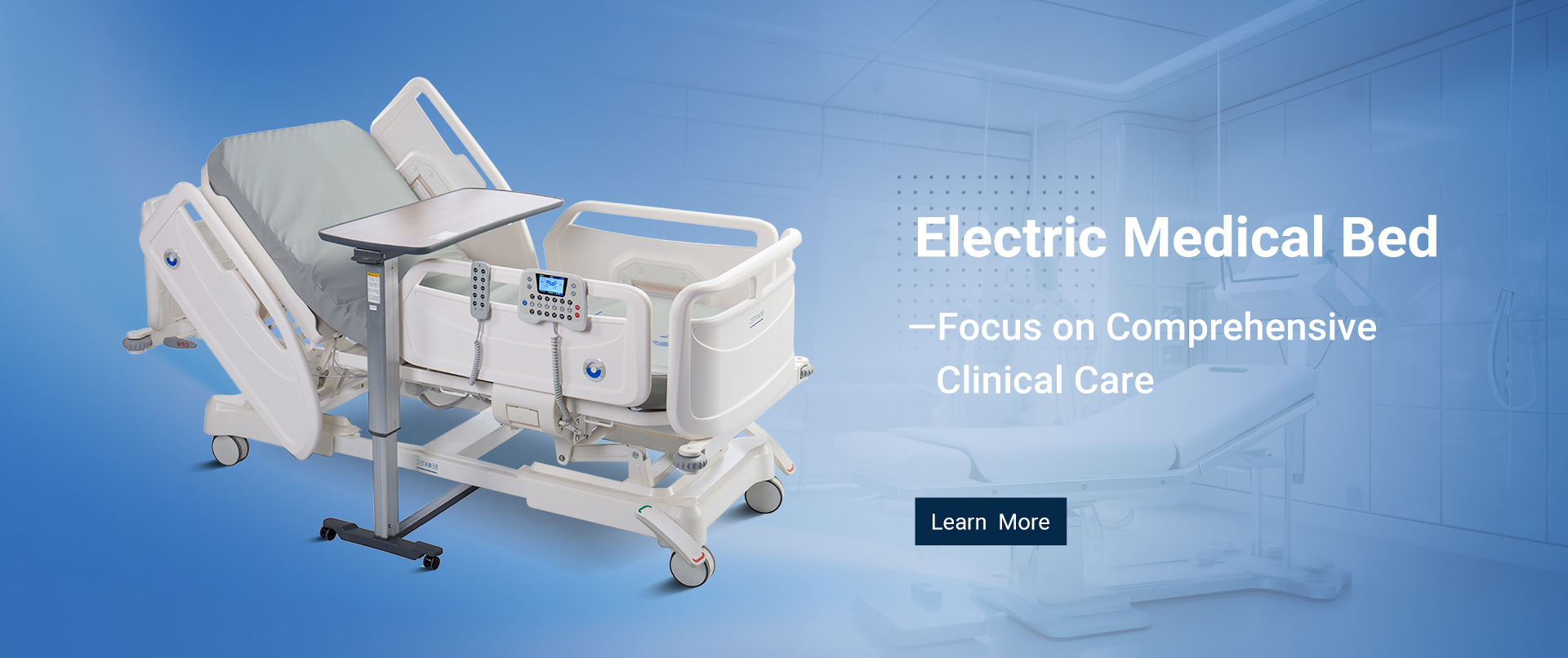
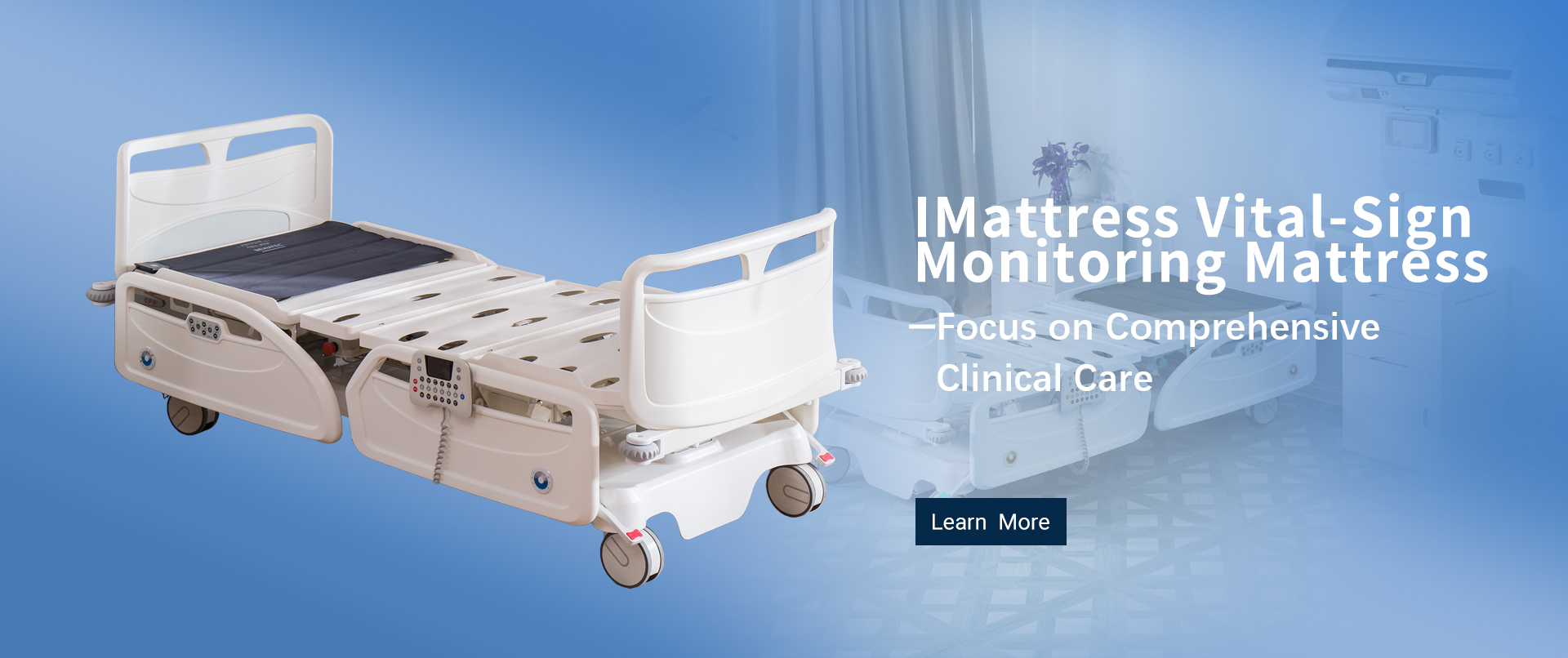

Hey, with healthcare changing so quickly these days, it's no surprise that the demand for electric medical beds has really shot up. I was chatting with Dr. Sarah Mitchell from Advanced Healthcare Solutions, and she mentioned, "Picking the right electric bed can seriously make a difference in how comfortable and cared for patients feel." That really drives home how important these beds are when it comes to improving patient experience.
If you're thinking about getting one, it's pretty important to understand what features to look for. You want a bed that’s flexible, safe, and easy to operate, right? Things like adjustable height, safety rails, and simple controls should be on your checklist. Also, pay attention to the materials—durable stuff that’s easy to clean makes all the difference in healthcare environments.
But here’s the thing—not all electric medical beds are the same. Some might lack key features or fall short of industry standards. So, it’s totally worth doing your homework—evaluate your options, ask questions about how reliable the products are, and check out who’s making them. Making an informed choice is really the best way to ensure patients get the best care possible.

Key Innovations in Electric Medical Beds for 2026
The landscape of electric medical beds is evolving rapidly. By 2026, innovations will redefine patient care environments. A recent industry report indicates that over 45% of hospitals are investing in smart medical technologies. This shift demonstrates the urgent need for improved patient outcomes and comfort.
One key feature in 2026 will be enhanced adjustability. Electric medical beds will likely allow for more precise positioning, catering to individual patient needs. This is critical for reducing pressure sores, as studies report a 30% decrease in incidence with optimal bed design. Additionally, integrated sensors will monitor patient movements and vital signs, providing real-time data to healthcare providers.
Another promising innovation is the incorporation of antimicrobial materials. A study by the Journal of Healthcare Engineering highlights that up to 70% of hospital-acquired infections are linked to contaminated surfaces. Beds that utilize these materials could significantly mitigate infection risks. However, achieving a balance between durability and comfort remains an ongoing challenge in design. These advancements represent a significant leap, but they also emphasize the need for continuous evaluation and adaptation to emerge as truly beneficial in healthcare settings.

Innovative Comfort and Care: The A7 Electric Medical Bed Aceso Series for Optimal Patient Support
The A7 Electric Medical Bed Aceso Series represents a remarkable advancement in patient support, emphasizing the importance of innovative comfort and care in healthcare settings. Designed with the unique needs of patients in mind, this state-of-the-art Intelligent Critical Care Bed ensures that individuals receive comprehensive care throughout every stage of their medical journey, from emergencies to recovery. The bed's advanced features are tailored to enhance patient wellbeing while providing healthcare professionals with the tools necessary for effective treatment.
One standout aspect of the Aceso Series is its focus on total patient care. The design incorporates adjustable settings that allow for optimal positioning, helping to alleviate discomfort and reduce the risk of pressure sores. Additionally, the bed's integrated monitoring systems provide real-time feedback on patient health metrics, enabling timely interventions. This fusion of comfort and technology not only fosters a healing environment but also streamlines the care process, allowing healthcare workers to concentrate more on patient needs rather than cumbersome logistics.
As medical practices continue to evolve alongside technological advancements, the A7 Electric Medical Bed Aceso Series shines as a model for future healthcare solutions. It embodies a holistic approach to patient support, seamlessly blending comfort and critical care capabilities to ensure that individuals experience the highest standard of care during their most vulnerable moments.

FAQS
: Enhanced adjustability and antimicrobial materials are major innovations improving patient comfort and reducing infection risks.
Adjustability allows for precise positioning, which is vital for comfort and reducing pressure sores.
They help reduce the risk of hospital-acquired infections, but balancing durability with comfort can be challenging.
Adjustable height features are prioritized as they improve patient care and caregiver access.
Common types include semi-electric and fully electric beds, each designed for different patient needs.
They offer optimal ease of adjustments, enhancing comfort for both caregivers and patients.
Yes, they lower the fall risk for patients but may lack luxury features found in advanced models.
Enhanced mobility features increase overall satisfaction for 55% of patients, improving access within healthcare settings.
Buyers must reflect on their needs, budget, and space, as each bed type offers unique benefits and limitations.
Yes, especially for fully electric models, as maintenance is essential to keep them functioning properly.
Conclusion
The 2026 landscape of Electric Medical Beds is marked by significant innovations designed to enhance patient comfort and caregiver efficiency. Key features to consider include adjustable heights, advanced positioning options, and integrated mobility aids, which cater to a range of medical needs. Understanding the various types of Electric Medical Beds available helps buyers select the right model, while safety features such as locking mechanisms and emergency power systems ensure both patient and caregiver security.
Additionally, the impact of technology on Electric Medical Beds is substantial, with smart features that allow remote monitoring and adjustments, promising improved patient outcomes. Buyers should also be mindful of cost factors and budgeting tips when making a purchase, ensuring they find a balance between essential functions and their financial constraints. Ultimately, informed decisions will lead to selecting the most suitable Electric Medical Bed for individual circumstances.
Related Posts
-

2026 Best Electric Medical Bed Reviews and Buying Guide?
-
Exploring Innovative Alternatives to Electric Medical Beds for Enhanced Patient Care
-

2026 Best Electric Medical Bed Features and Benefits Guide?
-

How to Choose the Right Electric Medical Bed for Your Needs
-

2026 Top Electric Medical Bed Features Buyers Should Know?
-

Exploring the Benefits of Electric Medical Beds for Home Healthcare Solutions


