


Lately, there's been a noticeable spike in the demand for these things called 'Multifunctional Transfer Beds' in China. They’re really changing the game for both healthcare workers and caregivers. Dr. James Li, who's pretty much an expert in rehab tech, always points out that, 'Having a Multifunctional Transfer Bed is a must — it really helps improve how patients move around and feel comfortable.'
As patients increasingly want more personalized care, these beds are evolving too. They come with adjustable features that make transfers easier and safer. With the aging population getting bigger, these solutions are honestly becoming more and more essential. Companies like MediTech Innovations are leading the charge, mixing cutting-edge tech with designs that are easy to use.
That said, it’s not all smooth sailing. The market still faces some hiccups — not all beds that claim to be 'multifunctional' actually are, and some lack the safety features you’d really want. There's definitely still a bit of a disconnect between what people expect and what's actually out there. So, it’s super important for folks shopping around to really do their homework, to pick a bed that performs well and keeps everyone safe. Getting the right one can really make a big difference — not just for patient care, but for the caregivers, too.

Exploring the Rise of Multifunctional Transfer Beds in China
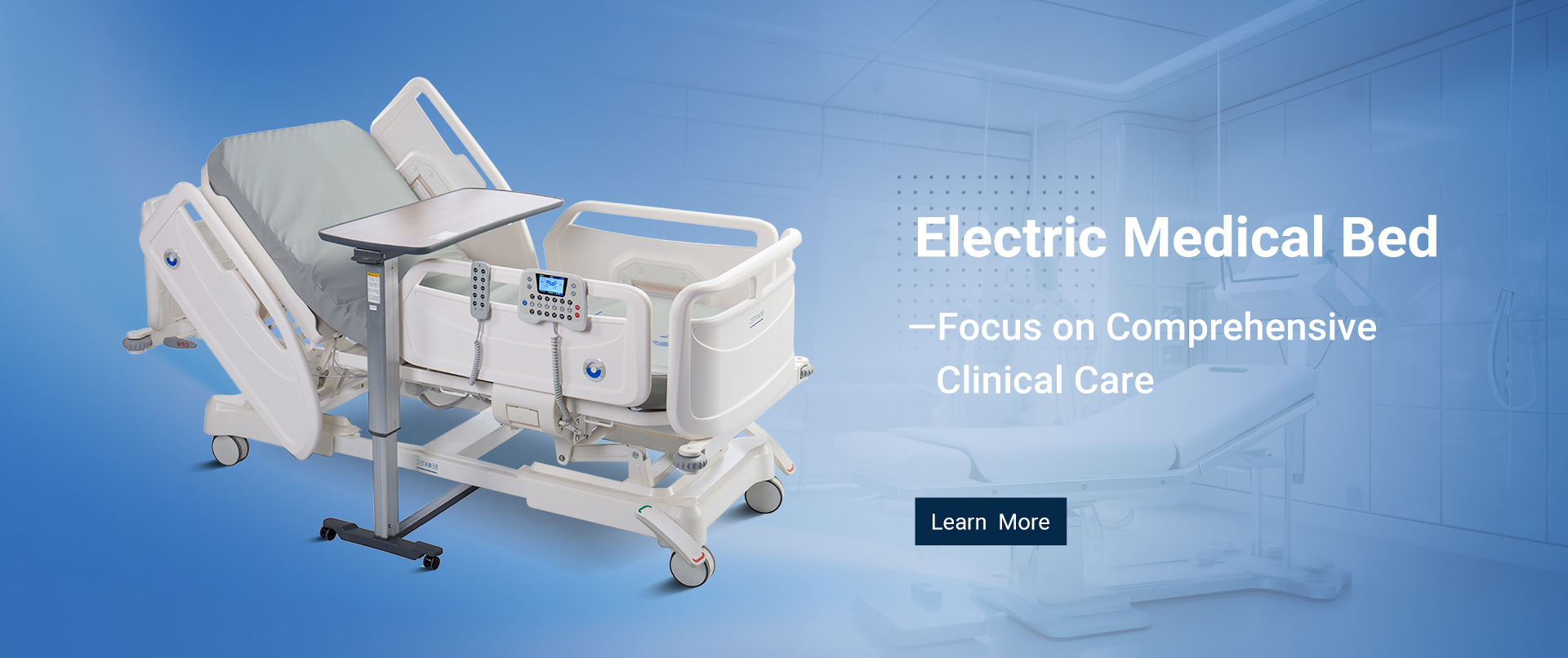
The rise of multifunctional transfer beds in China reflects a crucial shift in healthcare and elderly care. These beds serve multiple purposes, enabling better mobility and comfort for patients. Many designs focus on ease of use, allowing caregivers to assist patients with minimal strain. They contribute to enhanced safety features, including automated adjustments and locking mechanisms.
In urban areas, hospitals and home care settings increasingly adopt these beds. Medical professionals and caregivers appreciate how these beds facilitate smoother transfers. However, there is an ongoing debate about optimizing their designs. Some beds may lack adequate support or have complex controls. This can lead to confusion among users. It’s essential for manufacturers to focus on user-friendly interfaces and robust construction.
As the demand grows, innovation in this sector must balance functionality and affordability. Accessibility remains a challenge for many families. Some users might feel overwhelmed by the options available. It’s important to navigate these choices carefully. Thoughtful recommendations and professional support can make a significant difference in selecting the right solution.


Transforming Care: The M1 Manual Transfer Bed Innovation in Patient Mobility and Comfort
The healthcare industry is constantly evolving, and innovations in patient mobility are central to enhancing comfort and care delivery. The M1 Manual Transfer Bed exemplifies the latest advancements designed with high-efficiency transportation capabilities and a lightweight structure that significantly eases the burden on nursing staff. According to a recent report by the World Health Organization, efficient patient transfer systems can reduce the risk of injury among healthcare providers by up to 60%, a critical consideration given that musculoskeletal disorders are among the most frequent causes of work-related injuries in nursing.
The lightweight design of the M1 Manual Transfer Bed not only optimizes mobility but also ensures a more streamlined process for staff during patient transfers. This is especially relevant in accordance with findings from the Health and Safety Executive, which highlights that reducing lifting weights can greatly decrease the physical strain on caregivers. By integrating these innovative features, facilities can improve workflow efficiency while concurrently enhancing the level of service provided to patients, thus fostering an environment that prioritizes both safety and comfort.
Furthermore, the bed's design caters specifically to patients with limited mobility, helping to enhance their dignity and experience during care routines. Research underscores that when patients are treated with care and respect through thoughtful design innovations, their overall satisfaction and health outcomes improve significantly. Thus, the M1 Manual Transfer Bed stands not only as a practical tool for healthcare providers but also as a vital asset in the delivery of compassionate and effective patient-centered care.

FAQS
: These beds serve multiple purposes, enhancing patient mobility and comfort significantly.
They allow easier transfers, reducing the strain on caregivers during patient handling.
Automated adjustments and locking mechanisms improve the safety of patient transfers.
Some designs lack adequate support, and controls can be confusing for users.
It's essential to consider functionality, affordability, and ease of use when selecting options.
Focusing on user-friendly interfaces and robust construction can enhance overall effectiveness.
Beds must meet national health standards and subject to regular inspections for compliance.
Proper training can reduce injuries during transfers and improve overall safety measures.
Regular staff insights can help identify issues and refine safety procedures effectively.
The overwhelming variety of options can complicate decision-making without proper guidance.
Conclusion
The article explores the growing popularity of Multifunctional Transfer Beds in China, driven by the needs of an aging population and increasing demand for effective patient care solutions. Key features of these beds, designed for disabled patients, are highlighted, including their versatility and enhanced safety mechanisms compared to traditional options. A market analysis underscores the urgency for innovative healthcare solutions as the demographic landscape shifts.
Furthermore, the article delves into industry standards and safety regulations, ensuring that Multifunctional Transfer Beds meet necessary compliance for quality and effectiveness. The discussion includes recent technological innovations and trends observed in 2023, showcasing the continuous evolution of transfer bed solutions. User testimonials provide valuable insights into the effectiveness and satisfaction associated with these beds, reinforcing their importance in modern healthcare settings.
Related Posts
-

How to Choose the Best Medical Bed Manufacturer for Your Healthcare Facility
-

How to Choose the Best Electric Patient Bed for Your Needs
-
7 Compelling Reasons to Choose a Patient Bed With Mattress for Optimal Comfort
-
Essential Hospital Bed Equipment Checklist for Optimal Patient Care and Safety
-
How to Choose the Right Medical Bed Manufacturer for Your Needs
-

Top 5 Benefits of Using M2 Hydraulic Transfer Bed for Your Healthcare Needs


