

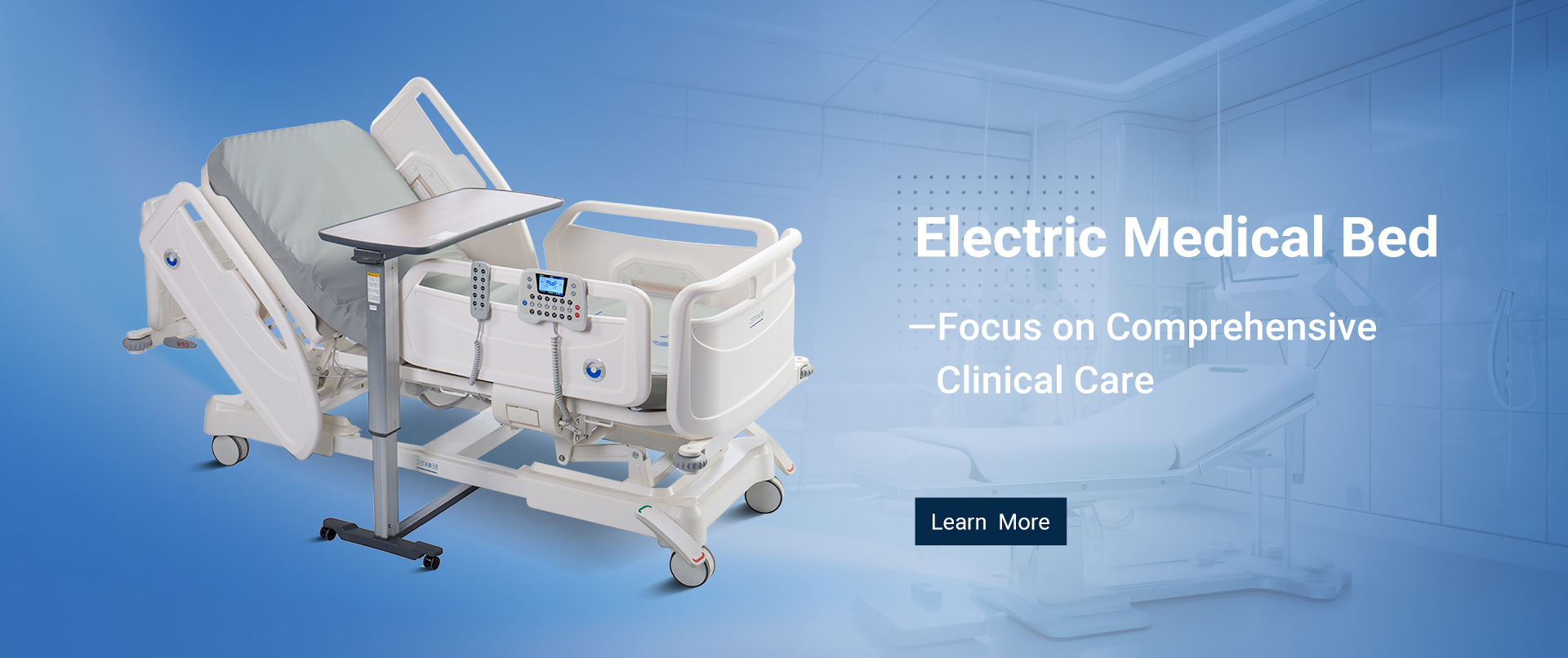

In the ever-changing world of healthcare, choosing the right equipment can really make a difference when it comes to patient care. I remember Dr. Emily Johnson from MedTech Innovations stressing how crucial a Multifunctional Transfer Bed is—she often says it’s pretty much a game-changer for managing patients smoothly. It just goes to show how important it is to stay adaptable to different healthcare needs.
These multifunctional transfer beds are pretty versatile—think adjustable height, tilting options, and easy mobility. All of this really helps keep patients comfortable and safe. Hospitals, as you know, deal with a wide range of patient needs, so having a bed that can do it all can really make things more efficient. Plus, it can help reduce injuries—not just for patients but for staff too.
That said, hospitals should really weigh the costs and benefits before jumping in. Sure, these beds can be a bit pricey, but the advantages—like improved safety and flexibility—often make it worth it. Balancing quality and expense is key here. Embracing new tech in hospital equipment feels essential if we want better healthcare outcomes, and picking the right transfer bed is definitely a big part of that journey.

Benefits of Multifunctional Transfer Beds in Hospital Settings
In hospital settings, multifunctional transfer beds have become essential.
These beds improve patient safety and comfort during transfers. A study from the Journal of Healthcare Engineering shows that
over 30% of patient transfer injuries occur due to improper equipment.
Multifunctional beds mitigate this risk by offering features like adjustable heights and integrated scales.
They allow staff to lift and lower patients easily, reducing strain on caregivers and enhancing patient stability.
Moreover, these beds contribute significantly to workflow efficiency.
According to a report by the National Institute for Occupational Safety and Health, hospitals
implementing advanced transfer systems can reduce transfer times by up to 25%.
This benefit allows healthcare workers to focus more on patient care rather than logistics.
However, it's crucial to ensure staff are well-trained.
Improper use of these beds can lead to accidents or even injuries. Observing best practices in training can make a huge difference.
The versatility of multifunctional beds supports various medical needs.
They can be adjusted for different procedures and patient conditions.
Despite their advantages, not every hospital has embraced this technology.
Budget constraints and staff resistance to change pose challenges.
Addressing these barriers is vital for improving patient care and enhancing safety protocols.

Enhancing Patient Mobility and Care: Insights from Industry Reports on the M1 Manual Transfer Bed (Machaon Series)
The ability to enhance patient mobility and care is becoming increasingly crucial in healthcare settings, particularly with the rise of an aging population and the corresponding demand for efficient patient handling. Industry reports emphasize the importance of high-quality transfer equipment, highlighting that the use of advanced manual transfer beds can significantly reduce the physical burden on nursing staff. Studies have noted that by utilizing lightweight and ergonomically designed transfer solutions, hospitals can improve patient handling safety, thereby minimizing the risk of injury to both patients and healthcare workers.
Recent data indicates that manual transfer beds with high-efficiency transportation capabilities can substantially increase productivity within care facilities. According to a report from a leading industry analyst, facilities that implemented these innovative solutions reported up to a 30% decrease in the time taken for patient transfers. This not only enhances the overall patient experience but also allows nursing staff to allocate their time more effectively, focusing on direct care rather than logistical challenges.
Furthermore, the lightweight nature of these transfer beds facilitates easier maneuverability, making it simpler for staff to navigate tight spaces typical of many healthcare environments. Reports show that reduced strain in transportation tasks leads to lower rates of staff turnover and higher job satisfaction among nursing teams. By investing in advanced transfer technologies, healthcare providers can create a more supportive environment that promotes patient mobility while enhancing the overall quality of care.

FAQS
: Multifunctional transfer beds aid in patient transfers and repositioning in hospitals. They are designed for ease of use.
They have adjustable height settings, improving comfort and preventing caregiver injuries during patient movement.
Many come with integrated side rails and locking mechanisms to prevent falls during transfers. This keeps patients secure.
Yes, options like weight capacity adjustments and specialized mattresses are available, catering to various medical conditions.
Yes, frequent training ensures staff understand each bed's specific features, maximizing their effectiveness in patient care.
Regular evaluations can help hospitals understand if the beds meet the needs of all patients effectively.
Adapting to new workflows and training staff can be time-consuming. Some beds may require adjustments for optimal use.
Yes, easy height adjustments minimize back strain for nurses while maintaining patient comfort during transfers.
Yes, their safety features lead to reduced risks of falls and better overall care for patients.
Not always. Some beds might not suit all patient needs perfectly, requiring hospitals to reflect on daily usage.
Conclusion
The article "Why Choose a Multifunctional Transfer Bed for Hospitals?" discusses the numerous advantages of implementing multifunctional transfer beds in healthcare settings. These beds enhance patient safety through innovative features that minimize the risk of falls and injuries during transfers. Additionally, they improve care efficiency by streamlining processes and allowing healthcare professionals to focus more on patient care rather than logistics.
A key aspect of multifunctional transfer beds is their cost-effectiveness, which becomes evident through reduced labor costs and improved patient outcomes. The article also highlights successful case studies demonstrating the positive impact of these beds in various hospital environments. Looking ahead, future trends in multifunctional transfer bed technology promise even greater advancements, suggesting a significant evolution in hospital care and patient management.
Related Posts
-

Top 10 Benefits of Using a Multifunctional Transfer Bed?
-

How to Use a Manual Transfer Bed Safely and Effectively?
-

Top 10 Benefits of Using a Multifunctional Transfer Bed for Elderly Care
-

Best Multifunctional Transfer Bed Features and Benefits You Need to Know
-

How to Choose the Best Multifunctional Transfer Bed for Care?
-

Top Multifunctional Transfer Bed Options for Global Buyers?


