


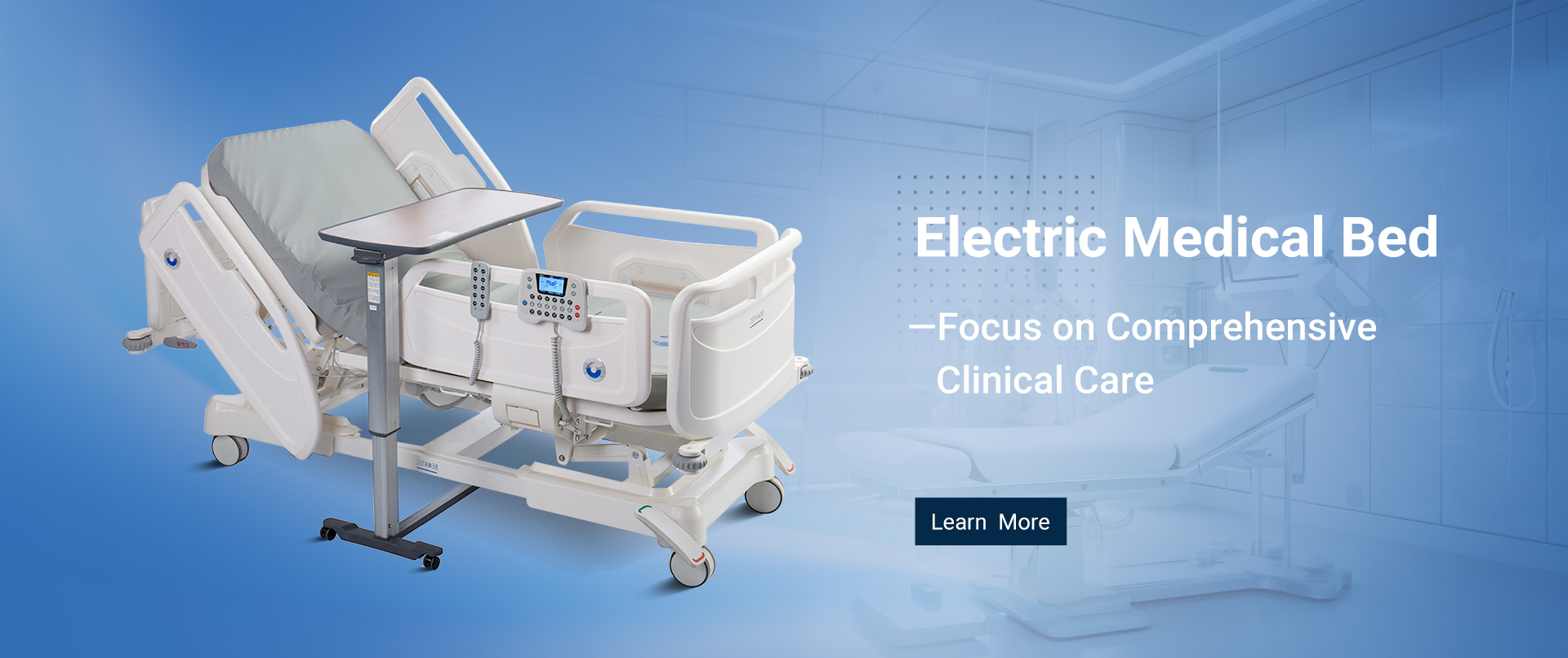
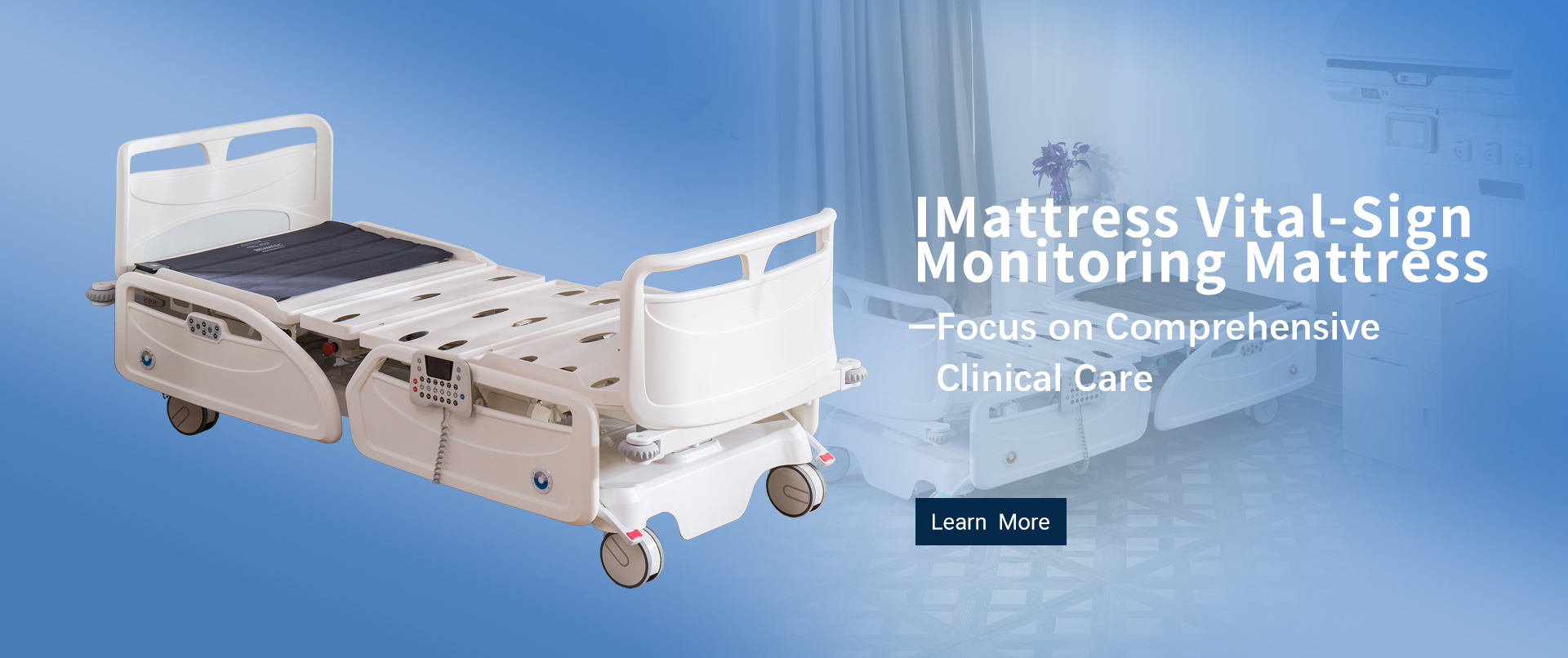

By 2026, you're going to see a ton of Electric Bed options out there, way more than ever before. But honestly, the right one really depends on what you plan to do with it. A standard adjustable base is super handy if you just want to prop up your head or feet for reading or lounging around. If you're someone who likes the bed right next to your nightstand, a wall-hugger design is a game-changer—it keeps the table close even when you raise the head. For couples, split king models are awesome because each person can pick their own position without bothering the other. And if you or a loved one needs extra care, homecare beds focus on practical access and making it easier for caregivers to help. Some bases even throw in massage settings or that fancy "zero-gravity" preset, which feels amazing after a long day. So yeah, it's all about what works for you! Yeah, those features do sound pretty cool, don't get me wrong. But honestly, they're not exactly a must-have for everyone, you know?
You know, sleep scientist Dr. Matthew Walker once said that sleep is 'the single most effective thing we can do to reset our brain and body health each day.' That's a pretty bold claim, but it's really just about sleep in general—not a plug for any specific electric bed or proof that a particular base will give you better sleep. So when you're shopping around, you should really compare the nitty-gritty: weight capacity, how noisy the motor is, the remote controls, whether it's compatible with your mattress, the warranty, and what kind of service you can get. And if you can, try it out in person—test those controls and listen to the motor yourself. Because at the end of the day, fit matters a lot. Honestly, when you're comparing options, you shouldn't just look at specs—think about the room size, where the outlets are, and if you and your partner actually need separate adjustments. And here's the thing: not every extra is worth it. That massage feature? Might collect dust. But a sturdy frame and a remote that doesn't confuse you? That can make or break your nightly comfort. So start with your actual routine, not a laundry list of features. And even then, no amount of research will tell you if the bed truly feels right until you've tried it.

How Electric Beds Differ by Design and Function
Electric beds differ less by appearance than by the movements their frames allow. An adjustable base usually raises the head, feet, or both, using separate motors. It suits readers who want to sit up or ease pressure on their heels. A split model gives two sleepers independent controls, though the center seam can feel noticeable. Small detail, big difference.
Profiling beds add functions such as knee breaks, adjustable height, and handset controls. These features can help caregivers position a sleeper, but they also add parts and setup complexity. Low-height beds lower close to the floor, which may reduce the distance of a fall. They are not automatically right for everyone; getting in and out can become harder. The categories overlap more than product descriptions suggest.
Before choosing, check the frame’s weight limit, mattress compatibility, and clearance beneath the bed. A thick rug or storage box can block movement. Listen to the motors if possible: a quiet room makes small sounds obvious. Remote buttons should be easy to distinguish by touch, especially at night. More adjustments are not always better. A simpler frame may feel easier to use, and that trade-off deserves an honest look.
Three-Function Electric Bed: Key Technical Parameters and Features
A three-function electric bed combines backrest adjustment, leg-section positioning, and height adjustment to support routine care and transfers. Its whole-bed dimensions are 2,190 × 1,020 mm, with an adjustable height of 470–800 mm (±20 mm); the bed surface measures 1,950 × 850 mm. These measurements offer a useful basis for checking room clearance, mattress fit, and access for caregivers. The variable bed height can help adapt the working position to different care tasks, while the back and leg sections allow the patient’s posture to be changed without repositioning the entire bed.
When evaluating these functions, buyers should consider how smoothly the sections move, whether controls are easy to reach, and whether the bed fits the available care space. The World Health Organization’s *Ageing and Health* fact sheet reports that by 2030, one in six people worldwide will be aged 60 or older. This demographic trend makes practical, adjustable care equipment increasingly relevant, although individual needs and care settings vary. For this bed, the 470–800 mm height range is a central specification to compare against transfer routines and caregiver workflow, while the 1,950 × 850 mm bed surface should be checked against the intended mattress and user requirements.

FAQS
It raises the head or legs for reading, watching television, or resting. Comfort still varies from person to person.
Confirm that the mattress is designed to bend with the base. A standard mattress may not move safely or comfortably.
Measure the room and check doorway access, frame clearance, and space beside the bed. Leave room for a bedside table or walker.
A split adjustable bed allows each side to move independently. Try the settings together, since separate movement may take some getting used to.
It can adjust the head, knees, and overall height. These features may help with transfers and caregiving, but the bed can feel imposing at home.
No. It may make repositioning easier, but it does not replace clinical guidance, skin checks, or regular movement.
Consider height adjustment, controls, weight limits, and emergency lowering. Ask a clinician or occupational therapist about transfers and positioning.
Try them while lying down, if possible. Small buttons can be frustrating at night. I might overlook a detail, so test the actual controls before deciding.
Conclusion
Choosing the right Electric Bed in 2026 starts with understanding how different designs support everyday comfort, care needs, and safer movement. Adjustable bases can help people find a comfortable position for sleeping, reading, or relaxing at home, while hospital-style beds offer practical features for recovery and caregiving. Low-profile and floor beds may make getting in and out easier for people who benefit from a lower sleeping surface.
Other options are designed for specific needs. Bariatric and heavy-duty beds provide added support and stability, while smart beds and split models offer more ways to personalize positioning, controls, and comfort for individual sleepers. Each type balances features, space, ease of use, and support differently.
To choose well, consider who will use the bed, how it will be used, the available room, desired adjustments, and any mobility or support requirements. Comparing these factors can help buyers find a bed that fits their routines and priorities.
Related Posts
-

How to Choose the Right Electric Bed for Global Buyers?
-

Top Electric Beds to Discover at the 139th Canton Fair 2026?
-

7 Tips for Choosing the Best Electric Bed?
-

China Best Electric Bed Options for Global Buyers?
-

Exploring the Benefits of Electric Medical Beds for Home Healthcare Solutions
-

2026 Top Manual Bed Features You Need to Know?


