

0%

You know, picking the best manual transfer bed in 2026 isn't really about finding some all-around winner. It's more like matching the bed to the actual person, the caregiver, and the room itself. Honestly, a cramped bedroom, a caregiver who isn't super strong, or having to move someone from bed to chair all the time—those things totally change what you should prioritize. And the little stuff? It matters way more than you'd think. Like, how easy is it to reach the brakes? Can you adjust the height without contorting? Is there decent side support? And what's the firmness of that transfer surface like, because that's what you'll feel every single day. It's the small details that make a huge difference in daily use.

This guide is all about the practical stuff—not just the flashy marketing hype. We’re talking construction, weight capacity, how you can adjust it, getting in and out of bed, cleaning, assembly, and the ongoing upkeep. But hey, don’t take our word for it—always double-check the specs against the manufacturer’s current info, because models and accessories can change depending on where you are and what you order. Also, that bed might look perfect online, but it could be a total pain to fit through your door or squeeze next to your wheelchair. So measure first, seriously. And then there's the question of who's actually going to be running the show with that bed – and like, how often are you really going to be moving in and out of it?

Let's be real—there's no perfect bed for every household. A lower price might mean fewer bells and whistles, but all those extra features? They can add complexity and upkeep, which is a trade-off you can easily miss. So this intro is here to pose the right questions. It helps you compare options carefully, spot limitations, and have a proper chat with a qualified healthcare professional about your needs. The aim? A clear, evidence-aware shortlist—not a promise that any single bed will suit everyone.

What Is the Best Manual Transfer Bed in 2026?

What a Manual Transfer Bed Is and How It Works

A manual transfer bed helps caregivers move a person between care surfaces, such as a bed and a stretcher. Unlike powered equipment, it uses hand-operated controls, cranks, or levers for key adjustments. Depending on its design, the bed may change height or position, or support a transfer surface that bridges a small gap. Mechanisms vary, so check the equipment instructions rather than assuming every model works the same way.

Before a transfer, caregivers typically align the surfaces, secure the wheels, and check that the transfer path is stable. A height adjustment can reduce awkward lifting, but it does not remove the need for careful positioning and suitable assistance. The term “manual transfer bed” can be confusing; some products adjust the bed, while others mainly support movement between surfaces. That distinction matters. A rushed setup can leave an unsafe gap or an awkward angle.

Tips: Lock the wheels and confirm the surfaces are level before moving anyone. Check weight limits and inspect handles, brakes, and moving parts. Explain each step to the person being transferred, and pause if they feel pain or instability. Small details matter. If the setup feels uncertain, stop and get trained help.

Types of Manual Transfer Beds Available in 2026

What Is the Best Manual Transfer Bed in 2026?

Types of Manual Transfer Beds Available in 2026

Manual transfer beds come in several practical designs. Fixed-height models are simple and sturdy, but may not align with a wheelchair or another bed. Hand-crank beds allow caregivers to adjust height or the backrest without electricity. Hydraulic models use a foot pedal for smoother height changes. For side-to-side movement, split-top or roller systems can bridge a small gap between surfaces. Reinforced bariatric frames offer wider decks and higher weight capacities. Small details matter.

WHO’s Decade of Healthy Ageing baseline report projects that the global population aged 60 and older will reach 1.4 billion by 2030. That trend makes adaptable care equipment increasingly relevant, though it does not identify one best bed type. No single design suits every room—or every transfer. A bed that works well beside a wide wheelchair may be awkward in a narrow bedroom.

Tips: Measure the bed-to-chair height difference, doorway width, and available turning space before choosing. Check the stated capacity and locking features, and have a trained caregiver assess the transfer method. A low price can be tempting; compatibility matters more.

Key Safety Features for Bed-to-Chair Transfers

For bed-to-chair transfers, the best manual transfer bed is one that stays stable and adjusts to the person and room. A sturdy frame, clearly marked controls, and reliable wheel brakes are essential. Small details matter. Check that every caster locks before a transfer; even slight movement can unsettle someone near the bed’s edge.

Height adjustment helps bring the bed surface close to the chair seat, reducing the effort needed to move across. Keep the chair nearby, angle it toward the bed, and move footrests out of the way. A smooth, unobstructed transfer surface can help, but it should not replace an individual care plan. Use only equipment designed for the intended transfer, and follow its weight limits and operating instructions.

Side rails are not automatically safe handholds. Use them only as directed, since gaps or poor positioning can create hazards. Non-slip footwear, dry flooring, and clear space for the caregiver’s feet also make a practical difference. Still, no single feature makes every transfer safe; a person’s strength, balance, and comfort can vary from day to day. If the movement feels uncertain, pause and ask a qualified care professional to review the setup.

How to Assess User Needs and Care Environments

What Is the Best Manual Transfer Bed in 2026?

Choosing a manual transfer bed starts with the person, not the feature list. Can they bear weight, follow directions, and pivot safely? A clinician or trained caregiver can help assess transfer ability, pain, balance, and fatigue. Needs may change from morning to evening. Small details matter.

Measure the room before comparing beds. Check doorway width, space beside the bed, floor level, and clearance for a wheelchair or walking aid. Look for stable brakes, a suitable height range, and clear information about working-load limits. Confirm that the bed’s adjustment controls are manageable for the caregiver, too. A crowded room can turn an easy transfer into a risky reach. Measure twice.

Consider how often transfers happen and who will assist. One caregiver may need a different setup than two. The safest method depends on the user’s mobility and care plan, so avoid assuming a bed alone will prevent falls. Ask a qualified health professional to review the transfer routine and room layout. A checklist helps, but it cannot capture every awkward moment. Sometimes the safer plan is slower, and that is worth accepting. Reassess after a change in strength, comfort, or caregiver availability.

Comparing Adjustability, Ease of Use, and Durability

A manual transfer bed should adjust to the person, caregiver, and room—not just look versatile on a product sheet. Check the stated height range against the caregiver’s working position and the wheelchair or chair beside the bed. A crank should turn smoothly without forcing the operator to lean across the patient. Small details matter: reachable handles, clear labels, and controls that do not collide with nearby furniture. If the bed offers adjustable back or leg sections, test whether they move steadily and stay in place. More settings are not automatically better.

Ease of use becomes clear during a realistic transfer, with the brakes engaged and the bed positioned beside the receiving surface. Side supports may help with positioning, but they should not obstruct the transfer path. Follow the manufacturer’s instructions and seek clinical guidance when a person’s mobility or care needs make transfers uncertain. For durability, inspect frame joints, casters, locking mechanisms, and the crank for looseness or unusual noise. Ask how often routine checks are recommended and whether replacement parts are available. A polished demonstration can hide awkward handling. I would compare the bed after repeated adjustments, too; one careful test may not reveal wear or a control that slowly becomes difficult to use.

What Is the Best Manual Transfer Bed in 2026?

Comparing adjustability, ease of use, and durability starts with the bed’s adjustment functions.

How to read this: “Two-function” and “three-function” refer to the number of independently adjustable functions. The chart shows that count, not a durability or usability test. Check each bed’s specifications to confirm which sections adjust; ease of operation and durability depend on crank design, frame construction, maintenance, and intended use.

How to Choose the Best Manual Transfer Bed in 2026

Choosing the best manual transfer bed in 2026 starts with the person who will use it. Consider their mobility, body size, comfort, and how often transfers happen. A bed that works well in a care facility may feel awkward in a small home. Measure the room, doorway, and turning space before comparing models. Small details matter.

Check the bed’s rated weight capacity and confirm it suits the intended user. Look for smooth height adjustment, accessible controls, stable brakes, and clear transfer access. If caregivers move someone from a wheelchair, compare bed height with the chair and check whether the frame leaves enough space for a safe approach. Test the casters on the actual floor when possible. Carpet can change how a bed moves. Also ask how surfaces and joints should be cleaned, and whether routine maintenance requires special tools.

A useful bed should reduce strain without making the user feel trapped or exposed. Ask a clinician or qualified equipment specialist to assess transfer needs, especially after surgery or a change in mobility. Try the adjustment controls and inspect the mattress support in person. Manuals can be confusing; I would not assume a feature is easy just because it appears simple online. Comfort, handling, and fit deserve equal attention, though one may have to compromise on space or price.

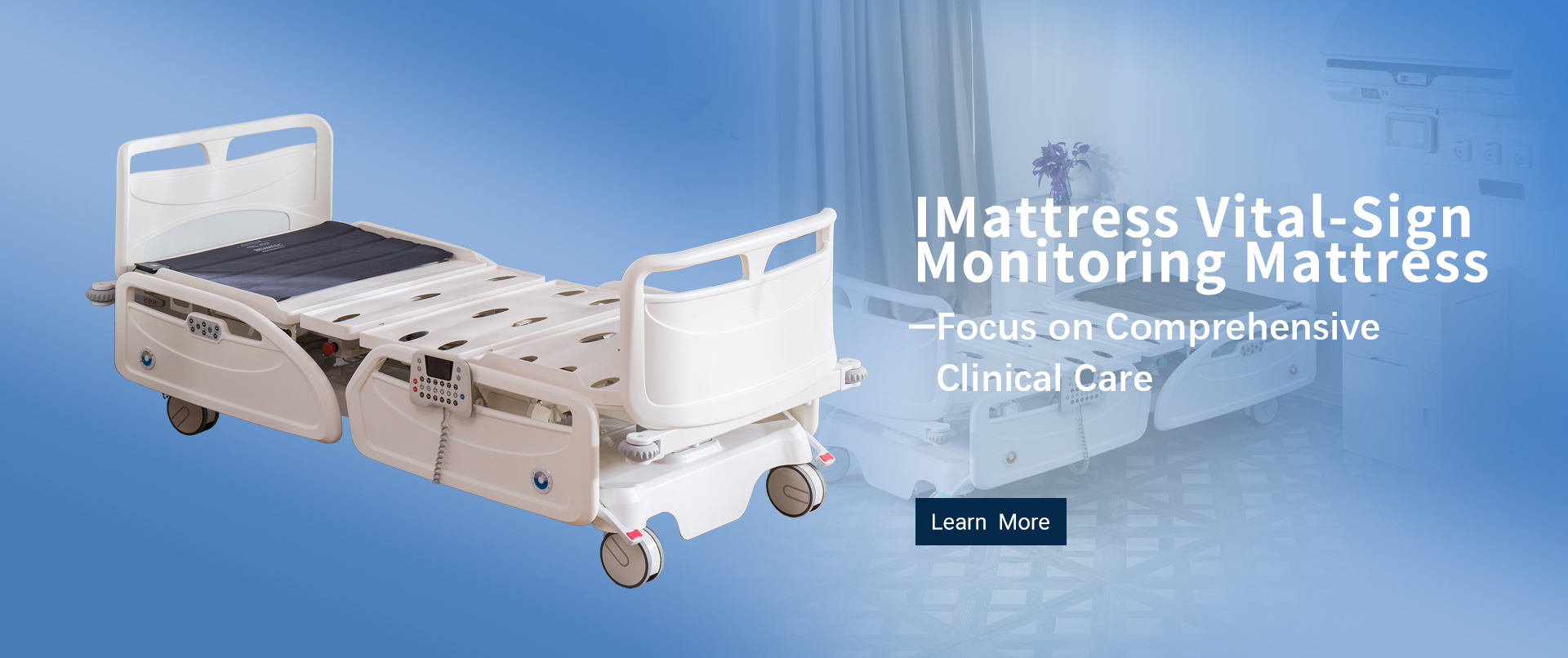
A Practical Guide to Manual Transfer Beds: Meet the M1 Machaon Series

Manual transfer beds are designed to make patient movement more efficient while supporting safer, more organized care routines. Their value is especially clear when patients need to be moved between rooms or treatment areas: a lightweight design can make the bed easier for staff to maneuver, while efficient transport features help reduce delays during routine transfers. The World Health Organization’s 2023 low-back-pain fact sheet estimates that 619 million people experienced low back pain in 2020, highlighting the broader importance of reducing physical strain in everyday care environments. A well-designed transfer bed can support this goal by making movement more manageable, although it does not replace proper handling practices or staff training.

When evaluating a manual transfer bed, consider how its weight, steering, braking, and adjustment mechanisms work together in real clinical workflows. Smooth handling can help nursing staff guide patients through corridors and doorways with greater control, while practical adjustments can support positioning during care. The WHO also reports that musculoskeletal conditions affect about 1.71 billion people worldwide, underscoring the need to take physical comfort and movement seriously in healthcare settings. For care teams, a bed that combines high-efficiency transportation capability with a lightweight structure can be a practical aid—helping staff move patients more readily and devote more attention to comfort, coordination, and safe care.

FAQS

What is a manual transfer bed?

It uses hand-operated controls, cranks, or levers to adjust height or support movement between care surfaces.

Do all manual transfer beds work the same way?

No. Some adjust the bed, while others help bridge a gap between surfaces. Check the equipment instructions.

What should caregivers check before a transfer?

Align the surfaces, lock the wheels, and confirm the path is stable. Stop if anything feels uncertain.

Can adjusting the bed height prevent caregiver strain?

It can reduce awkward lifting, but it does not replace careful positioning or suitable assistance. Not a complete solution.

How can I tell if a bed will fit at home?

Measure the room, doorway, and turning space. A bed that works in a facility may feel awkward in a small room.

Which features should I inspect before choosing a bed?

Check weight capacity, brakes, controls, transfer access, and mattress support. Try moving the casters on the actual floor.

Should I ask a professional about transfer needs?

Yes, especially after surgery or a change in mobility. A clinician or qualified equipment specialist can assess the setup.

What should I do if the person feels pain or instability?

Pause the transfer and get trained help. Explain each step, even when the routine seems familiar.

Conclusion

A Manual Transfer Bed is designed to make movement between a bed and a chair more controlled and manageable for users and caregivers. In 2026, available options may differ in how they adjust, support transfers, and fit into home or care settings. Understanding the basic transfer process and the types of beds available can help narrow the choices before considering specific needs.

Safety and suitability depend on the user’s mobility, comfort, and level of assistance, as well as the space and routines of the care environment. When comparing beds, consider how easily adjustments can be made, whether the design feels stable during transfers, and how well its materials and construction may hold up to regular use. The best choice is one that matches the user and setting, supports a practical transfer routine, and can be operated confidently by those providing care.

Liam

Liam

Liam is a dedicated marketing professional at Bewatec (Zhejiang) Medical Device Co., Ltd., where he leverages his extensive knowledge of innovative medical solutions to drive the company's vision of a digital transformation in healthcare. With a keen focus on smart medical care, Liam plays a......
Previous How to Choose the Best M1 Manual Transfer Bed in China?