
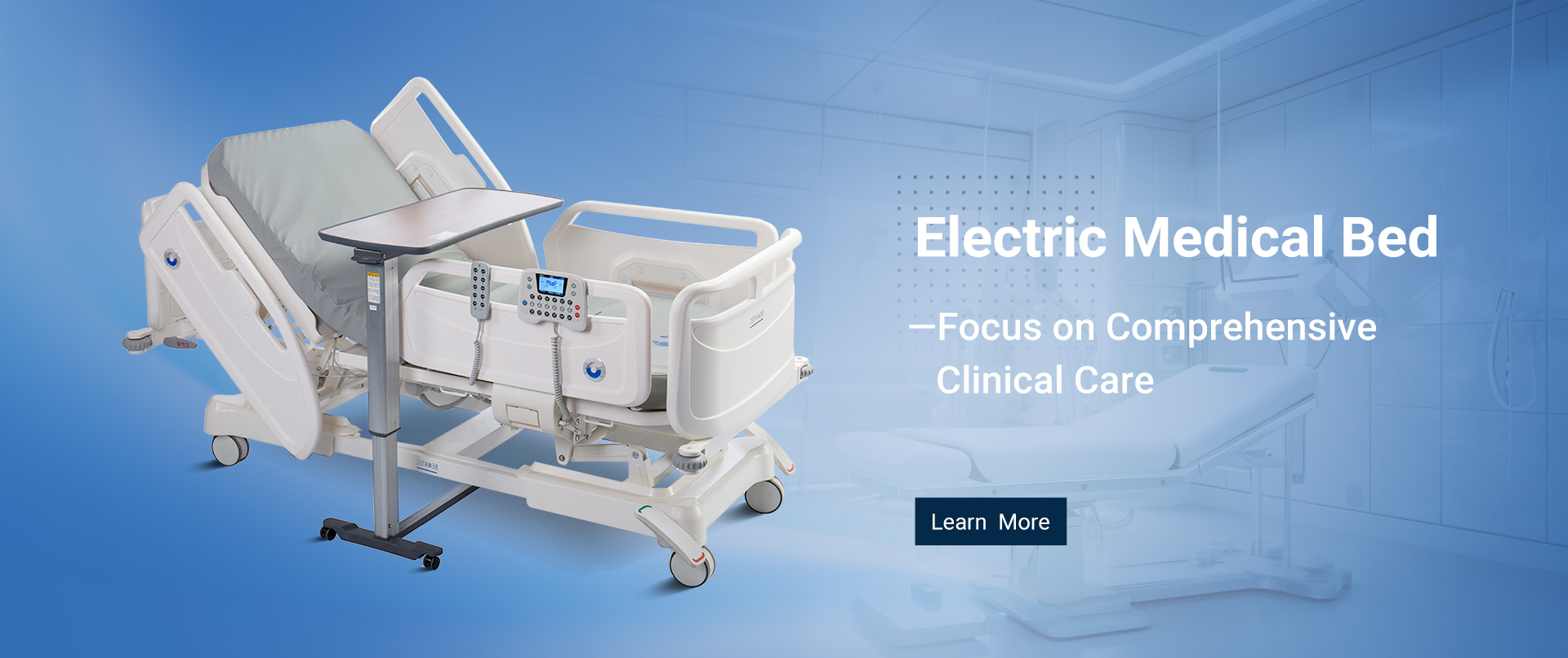
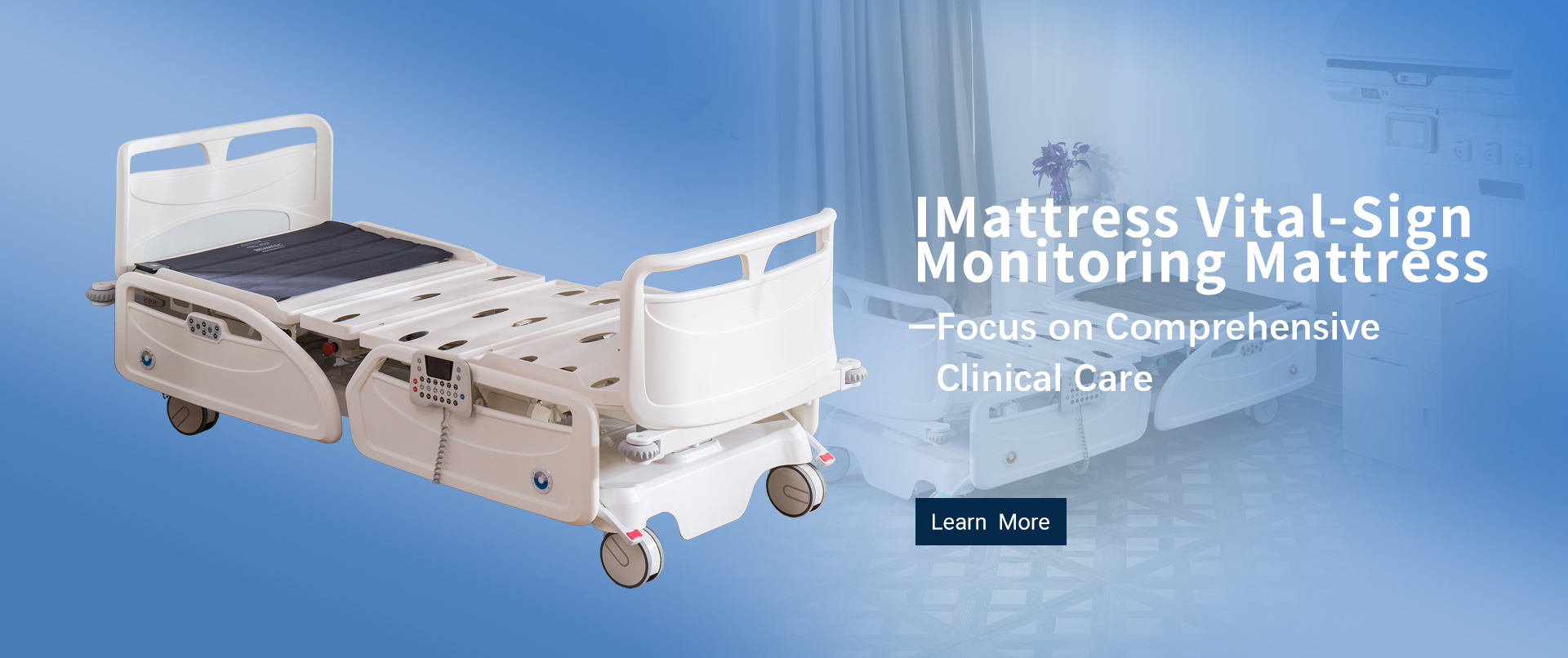
So here's the thing about picking an M1 Manual Transfer Bed in China—it's not just about the price tag or how it looks. You really have to think about how it works for actual patient transfers, everyday care routines, and the staff who have to move around it all day. A hand crank that doesn't stick, side rails that actually lock in place, casters that don't wobble—these are the little things that make or break a busy care room. Honestly, it's the small details that count.
Alright, before you settle on a bed, there are a few key things you’ll want to check. Start with the stated dimensions, load capacity, how much height adjustment it offers, the braking system, and whether it’s compatible with your mattress. Don’t be shy about asking suppliers for clear specs—material details, operating instructions, warranty terms, the whole nine yards. And if you can, set up a demo. Watch how it moves across the floor, and see if caregivers can hit the controls without awkwardly stretching or reaching. Honestly, these checks are pretty handy—they help you tell which features are actually useful, and which ones are just claims that still need more proof.
Honestly, there’s no one-size-fits-all bed. A compact model might be perfect for a tight room, but in another space you might care more about making transfers easier or keeping things simple to clean. And let’s face it—brochures don’t always tell you everything. That’s worth paying attention to, not just brushing aside. So take the supplier’s documentation, compare it with what your care team actually deals with day to day, and make sure to ask how replacement parts and technical support work before you commit. Look, doing a little homework before you buy can save you from a few nasty surprises down the road. And honestly, it goes a long way toward picking an M1 Manual Transfer Bed that actually fits your space, your budget, and your day-to-day care needs.
A An M1 manual transfer bed is a wheeled medical platform designed to move a patient between nearby care areas, such as a ward and an examination room. Its frame typically supports a mattress, raised side rails, and caster wheels with brakes. Height or positioning adjustments are made by hand, often with a crank. There is no powered lift, so staff effort and patient condition matter.
The “M1” name is not a universal technical standard. Features can differ between manufacturers, so check the actual specifications rather than relying on the label. Look for a stable frame, accessible brake pedals, secure rails, and smooth height adjustment. Check the stated safe working load and mattress dimensions against the intended patients and facility doors. Details vary by supplier. That distinction matters.
A transfer bed can reduce unnecessary lifting, but it does not remove the need for trained staff or a safe transfer plan. Ask how the bed handles uneven floors and how easily staff can reach the controls. A small detail, like a brake pedal hidden beneath the frame, can become frustrating during a busy shift. Specifications help, but a hands-on inspection may reveal issues a product sheet misses.
Start with the patient. Note their weight, mobility, pain points, and ability to follow transfer instructions. Can they turn, sit at the bedside, or bear weight briefly? These details affect the bed’s height range, side-rail needs, and transfer approach. Check the stated safe working load, not just the bed’s dimensions. A few centimeters can matter when a caregiver is helping someone move from a wheelchair.
Next, observe the care routine and the room itself. Measure doorways, turning space, and clearance around other equipment. Check that the manual controls are reachable and that the brakes hold firmly on the facility’s floors. Caregivers should be able to adjust the bed without awkward bending or reaching. Small details matter. A trial transfer may reveal a problem that a specification sheet cannot. That judgment is imperfect, so include staff who provide hands-on care.
For facilities in China, confirm product documentation, spare-part availability, cleaning instructions, and local service arrangements before purchasing. Ask how often the mechanisms and brakes should be inspected, and who will record those checks. Compare several beds against the same patient and room needs. A neat checklist helps, but it may miss how tiring repeated adjustments feel during a busy shift.
Choosing an M1 manual transfer bed starts with real measurements, not catalogue photos. Measure the user, mattress platform, doorway, and turning space. Check the bed’s overall width with rails fitted, then compare it with the room’s narrowest access point. The WHO’s Decade of Healthy Ageing baseline report (2020) estimates the global population aged 60 and over will reach 1.4 billion by 2030. That trend makes adaptable care equipment increasingly relevant, but it does not determine the right bed size for an individual. Confirm the safe working load and mattress dimensions with the supplier.
Materials matter in daily use. A steel frame can offer a sturdy structure, while smooth, coated surfaces are easier to wipe down; inspect joints and moving parts for gaps that collect dust. Feel the hand crank. Does it turn smoothly under load? Check the adjustment range for height and backrest, and confirm that the lowest setting supports safe transfers.
Small details count. Locking casters should hold on the actual floor, not just in a showroom. I would also test the bed beside a transfer aid and note whether rails obstruct access. One limitation: published dimensions may exclude attachments, so verify the complete setup before ordering.
A safe transfer bed should feel stable before a caregiver applies force. Check the frame, caster brakes, locking points, and handles with the bed both empty and loaded. Look for exposed pinch points and gaps where fingers could become trapped. Small details matter. Confirm the stated safe working load and whether it includes the patient and any accessories.
The World Health Organization reports that falls cause about 684,000 deaths annually worldwide, and 37.3 million falls require medical attention each year (WHO, “Falls” fact sheet). These figures cover falls generally, not bed-related incidents, but they underline why stable transfers deserve careful attention.
In China, ask the supplier to identify the standards that apply to the exact bed configuration and provide current test documentation. GB 9706.252-2021 covers basic safety and essential performance requirements for medical beds with electrical equipment; it may not be the sole applicable reference for a fully manual model. Check the scope with a qualified testing body rather than relying on a standards logo or a sales claim. Test it loaded. Apply the brakes, try the transfer handles, and inspect the bed’s stability on the floor where it will be used. A paper checklist helps, but it cannot reveal every awkward movement in a real transfer. I would also record any wobble or difficult lock, even if the bed still appears usable.
When comparing Chinese manufacturers of M1 manual transfer beds, request documents tied to the exact model and production revision. A catalogue is only a starting point. The WHO’s 2017 Global Atlas of Medical Devices compiled country responses from 125 countries, showing why device-policy environments should not be assumed identical. The report does not assess individual factories, so verify each supplier’s evidence directly.
Ask for a dated specification sheet, instructions for use, material details, and test reports identifying the tested model. Check stated load capacity, bed dimensions, transfer-lock operation, and inspection methods. Check the revision. A certificate’s scope and validity matter; ISO 13485 certification describes a quality-management system, not proof that a particular bed passed every safety test. Match report numbers and model names across documents, and ask who performed each test.
Look for traceability from incoming materials to final inspection, plus records for corrective actions and production changes. Request clear photos of locking points and labels, then compare them with a sample unit. Small details matter. I would still want clearer evidence when a report omits its test setup; a neat PDF can look reassuring while leaving practical questions unanswered. Ask the manufacturer to explain gaps in writing, and retain the responses with your purchasing records.
| Evaluation dimension | Documentation to request | What to verify | Selection indicator |
|---|---|---|---|
| Product identity and intended use | Product label, instructions for use (IFU), model list, and product specification sheet. | Confirm that the same model designation and intended use appear consistently across the label, IFU, quotation, and regulatory documents. “M1” alone does not establish a universal specification. | Model-specific documents agree and clearly describe the bed’s intended patient group and use. |
| China regulatory status | Applicable NMPA registration certificate or filing information, plus relevant manufacturing qualification documents. | Check the device name, model or scope, registrant or filer, and validity against official records. Requirements depend on the product’s classification and intended use in China. | The documents can be independently checked and cover the offered product and manufacturing scope. |
| Quality management system | Quality-system certificate, scope, issuing body, and current validity details. | Where ISO 13485 certification is claimed, verify the certificate’s scope covers relevant medical-device activities and is valid. Certification alone does not prove that a particular bed meets all performance requirements. | A verifiable, relevant quality-system scope and a clear process for handling nonconformities and corrective actions. |
| Safety and performance testing | Test reports for the offered model, test methods and standards applied, results, and laboratory details. | For medical beds, ask whether IEC 60601-2-52 is applicable to the product and market, and request evidence against the applicable edition and regulatory route. Check that reports identify the tested model and configuration. | Reports are traceable to the product being quoted and address relevant risks and intended use. |
| Risk management | Risk-management summary or applicable supporting records, including identified hazards and controls. | Ask how risks such as unintended movement, pinch or entrapment points, instability, and transfer-related hazards are addressed. ISO 14971 is a recognized medical-device risk-management standard; applicability and evidence depend on the regulatory context. | Hazards, controls, and residual risks are documented and consistent with the product’s instructions and design. |
| Transfer function and operation | Operating instructions, transfer procedure, brake and lock information, and demonstration or inspection checklist. | Confirm how the bed is secured during transfer, how moving parts are operated, and whether staff training or a specified procedure is required. Check that the demonstration matches the IFU. | The transfer process is clearly described and can be inspected and demonstrated on the quoted configuration. |
| Load capacity and dimensions | Specification sheet, label information, and test evidence for stated load limits and dimensions. | Compare safe working load, mattress-platform dimensions, overall size, and height range with the facility’s needs. Do not assume values: confirm them for the exact model and configuration. | Specifications are explicit, consistent across documents, and supported by model-specific evidence. |
| Materials and cleaning | Materials list, cleaning and disinfection instructions, and compatibility limitations. | Check that instructions identify suitable cleaning methods and any chemicals or procedures to avoid. Confirm that surfaces and components can be maintained under the facility’s infection-control procedures. | Instructions are specific, usable, and consistent with the materials and intended care setting. |
| Traceability and change control | Serial or lot identification method, production records overview, and process for notifying buyers of product changes. | Ask how delivered units are linked to production records and how changes to materials, components, or manufacturing sites are assessed and communicated. | The supplier can trace delivered units and explain how changes are controlled. |
| Warranty, parts, and service | Written warranty terms, spare-parts list, maintenance schedule, and service response arrangements. | Confirm warranty duration and exclusions in writing, identify wear parts, and check the availability and lead time of replacement components for the destination market. | Support commitments are specific, documented, and practical for the expected service life and location. |
| Document control and language | Dated, revision-controlled IFU, labels, technical files supplied for review, and translations required for the destination market. | Check revision dates, model references, units of measurement, and consistency between translated and original documents. Confirm destination-country language and labeling requirements independently. | Documents are current, controlled, complete for review, and suitable for the intended market. |
For an M1 manual transfer bed, compare like-for-like quotes rather than choosing the lowest figure. Check whether the price includes the mattress, side rails, transfer accessories, and assembly. Ask for a written specification, including dimensions, safe working load, adjustment range, and materials. Get it in writing. A quote that leaves delivery or installation unclear may cost more later, especially for facilities outside major Chinese cities.
Read the warranty terms closely: confirm its length, covered components, exclusions, and who pays for replacement parts or transport. Ask how quickly the seller can provide common spares, such as a hand crank or wheel, and what proof is needed to make a claim. Delivery estimates should include dispatch time, packaging, unloading, and access requirements; a bed may arrive on schedule but still be difficult to move through a narrow doorway. That matters. After-sales support is easier to judge when you receive a named contact, clear response hours, and a practical repair process. Keep the quote, warranty, and delivery promises together. Some details may still be missed, so review the terms with the person responsible for installation before paying.
Suggested buyer-defined evaluation weights for comparing supplier quotes. These are a decision-making framework, not market survey results.
How to use it: Score each supplier against the same criteria, then apply these weights to compare total results. Verify bed specifications, warranty terms, delivery timelines, and after-sales commitments in writing.
A manual transfer bed can help care teams move patients more efficiently between care areas when transfers are planned and carried out with attention to safety. Its lightweight design can make it easier for staff to position and maneuver, while its transportation capability supports a smoother workflow. Before use, check that the bed is in good condition, the route is clear, and the receiving surface is ready. Explain the transfer to the patient and confirm that their needs and mobility have been considered.
Position the bed close to the destination and secure it according to its operating instructions. Adjust the height of the bed and receiving surface where possible to reduce awkward reaching, and use the appropriate number of trained staff for the patient’s condition. Keep the patient supported throughout the move, communicate each step, and avoid rushing. Staff should use safe handling techniques and any additional transfer aids recommended by their facility.
After the transfer, make sure the patient is comfortable and safely positioned before leaving the bedside. Return the bed to its designated location, clean it according to facility procedures, and report any operational concerns. A practical transfer routine, combined with a light, maneuverable bed, can assist nursing staff while helping keep patient movement orderly and controlled.
It is a wheeled platform for moving patients between nearby care areas. Staff adjust it by hand, often with a crank.
No. Features can vary between suppliers. Check the actual specifications, including mattress size, safe working load, brakes, and adjustment range.
Consider the patient’s weight, mobility, pain, and ability to follow transfer instructions. These details affect the height range and side-rail needs.
Measure doorways, turning space, and clearance around equipment. Check that brake pedals and manual controls are easy to reach.
Test the frame, caster brakes, locking points, and handles, both empty and loaded. Try it on the floor where staff will use it.
Confirm whether the stated limit includes the patient and accessories. Do not judge capacity by bed dimensions alone.
Ask for current documentation covering the exact configuration. GB 9706.252-2021 addresses medical beds with electrical equipment, so it may not fully apply to a manual model.
Try a transfer and note awkward reaches, hidden brake pedals, wobbling, or difficult locks. A checklist helps, but repeated adjustments may still tire staff.
Check cleaning instructions, spare-part availability, local service, and inspection routines. I might still miss a small usability issue during a short trial.
Choosing the best M1 Manual Transfer Bed in China starts with understanding how the bed will be used and who it must support. Consider the patient’s mobility, weight, transfer needs, and level of caregiver assistance, as well as the facility’s available space and care routines. Compare bed dimensions, frame and surface materials, and manual adjustment options to find a practical fit. A suitable bed should also have thoughtfully designed safety features, stable construction, and clearly documented compliance with applicable standards.
When evaluating Chinese manufacturers, review product specifications, inspection records, operating instructions, and other documentation rather than relying on descriptions alone. Compare quotations on an equivalent basis, including included accessories, warranty terms, production and delivery timelines, and the availability of after-sales support and replacement parts. Taking these factors together helps facilities select an M1 Manual Transfer Bed that meets care requirements, fits the intended environment, and offers dependable long-term value.