
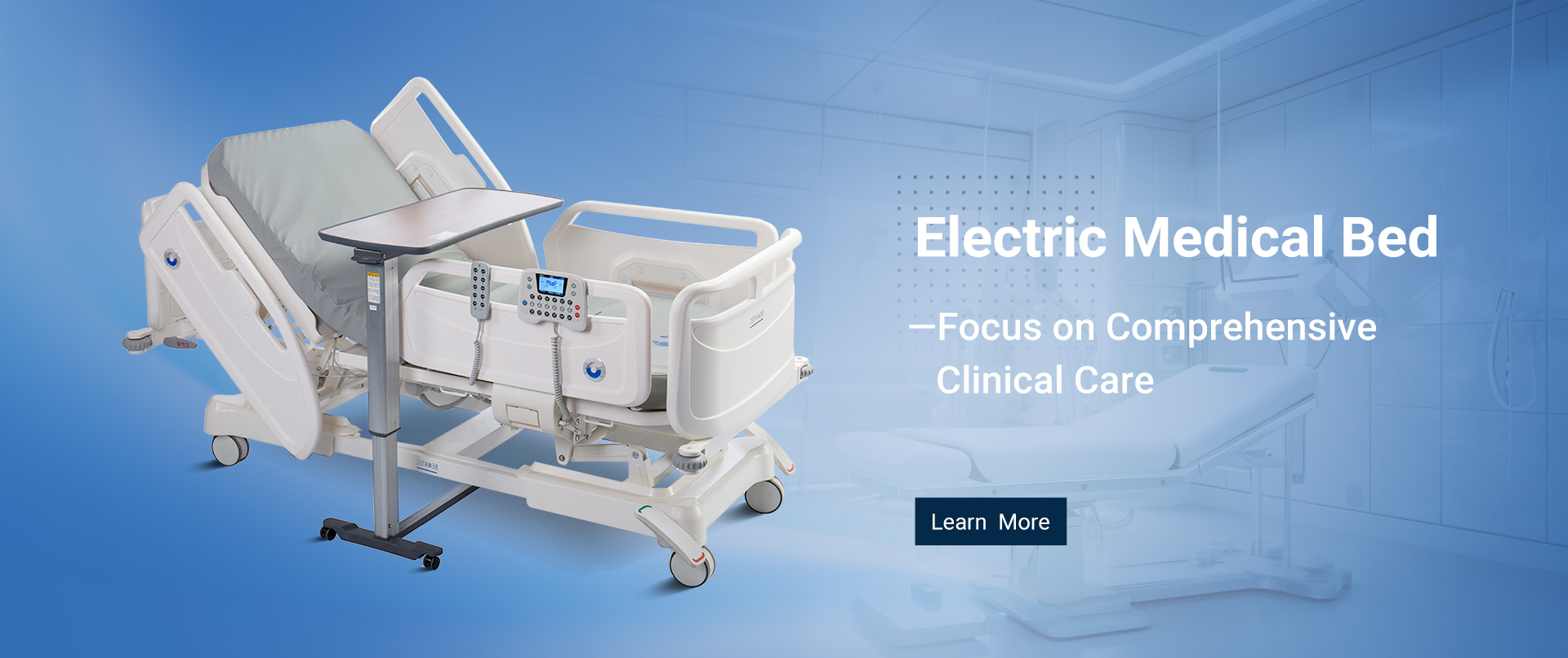
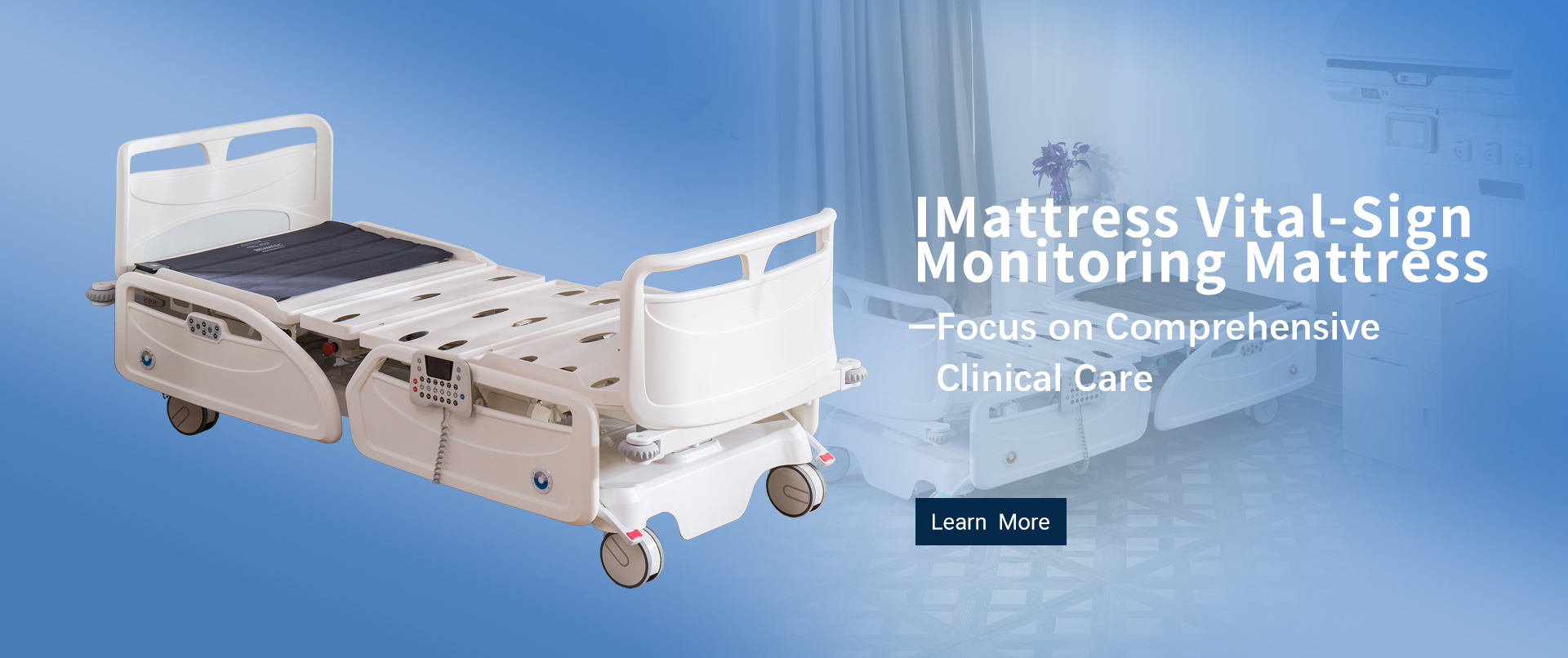
You know that tricky moment when you're trying to move a patient from bed to wheelchair? A multifunctional transfer bed can actually make that whole thing feel way more manageable. The real value is in the practicality – you've got adjustable height, repositioning support, and transfer functions that cut down on all that repetitive lifting and awkward stretching. And honestly, the small stuff counts. A caregiver shouldn't have to strain just to get the bed snug against the wheelchair or lock the casters – they should be able to adjust the surface easily, without breaking their back. That's the kind of thoughtful design that makes a difference. Look, there's no one-size-fits-all solution here. The right setup really depends on how mobile the patient is, what the room looks like, and the specific care plan we're working with. You can't just use the same features for every facility.
Here’s the thing: the WHO’s Global Patient Safety Report 2024 estimates that about one in ten patients ends up experiencing some form of harm while receiving health care. That said, the report also points out that this broad figure isn’t specifically about transfers or hospital beds. NIOSH’s safe patient handling guidance echoes that idea—it emphasizes cutting down on risky manual patient moves by using the right equipment and work practices. And ergonomics researcher Thomas R. Waters has been a key voice in this conversation. Look, Waters didn’t mince words: “There’s no such thing as a safe manual lift of a patient.” That pretty much says it all — if you’re moving a patient, you need the right transfer aids. A bed isn’t a stand-in for assessing the situation or making sure staff are properly trained.
For care teams, it’s not just about comfort—it’s how the whole thing fits into the daily grind. Can you actually wheel that bed through a doorway without swearing at it? When things get chaotic, are the controls obvious enough that you don’t have to think twice? And let’s be real—cleaning between patients should not turn into a wrestling match with the mattress. These seem like no-brainer questions, but honestly, they deserve to be tested, not just assumed. Sure, a Multifunctional Transfer Bed can make life easier and patients happier, but it’s not some magic bullet that erases every hiccup. So, do your homework: dig into the specs, double-check how much maintenance it’ll really need, and—this is key—get the nurses and patients involved before you sign off. They’re the ones who’ll live with it, after all.
Why Choose a Multifunctional Transfer Bed?
What Is a Multifunctional Transfer Bed?
A multifunctional transfer bed is an adjustable care bed designed to support both resting and movement. Depending on its design, it may raise or lower, change the back or leg position, or help a person move toward a chair. Some models also use side-tilting or transfer surfaces. Features vary, so the name alone does not tell caregivers what a bed can do. Small details matter. A low starting height, accessible controls, and space beside the bed can affect daily use. The bed supports a transfer; it does not assess whether a person can safely move without assistance.
The physical demands are real. A NIOSH analysis of U.S. Bureau of Labor Statistics data reported 249 musculoskeletal-disorder cases per 10,000 full-time nursing assistants in 2010, compared with 34 across all occupations. That older figure is not a measure of what any bed prevents, but it shows why reducing awkward reaches and repeated lifting matters. Care teams should check transfer instructions, weight limits, brakes, and clearance around the bed. They should also match the bed’s functions to the person’s mobility and care plan. The term “multifunctional” can sound reassuring, yet extra controls may complicate use; a hands-on demonstration can reveal that.
A multifunctional transfer bed can support several steps in patient handling, from preparation and positioning to transfer and transport. The exact functions vary by model and care setting.
The chart shows the order of common handling stages, not measured performance or a claim that every bed supports every stage.
A multifunctional transfer bed is more than a surface on wheels. Its transfer system can align the bed with a stretcher, then move a patient sideways on a sliding platform or powered transfer surface. Height adjustment helps reduce gaps between surfaces. Staff should still check that brakes are locked, rails are positioned correctly, and lines or tubing remain clear. Small details matter.
Positioning comes from an articulated deck, adjustable back and leg sections, and, on some models, lateral tilt. These movements let caregivers change posture with less repeated lifting. The Agency for Healthcare Research and Quality’s PSNet reports that pressure injuries affect about 2.5 million hospitalized patients annually in the United States. A bed’s positioning features can support pressure-relief routines, but they do not replace regular skin checks or an individualized care plan.
The mechanics need judgment. A steep tilt may feel unsettling, and a transfer surface can catch fabric or tubing if the area is not prepared. NIOSH safe patient-handling guidance emphasizes reducing hazardous manual lifting through suitable equipment and work practices. In practice, staff should explain each movement, use the controls slowly, and confirm comfort throughout. Powered does not mean effortless. Some transfers still require trained assistance and careful coordination.
Daily care often involves repeated movement: raising the backrest for breakfast, lowering the frame for a standing transfer, or adjusting the knee section to reduce sliding. Electric height adjustment can bring the mattress closer to a caregiver’s working level. Lockable wheels help keep the bed steady during transfers. Hand controls should be easy to reach and simple to understand. Small details matter.
The World Health Organization’s 2021 Falls Fact Sheet estimates that 37.3 million falls each year are serious enough to require medical attention. A transfer bed cannot prevent every fall, but adjustable height and stable positioning may support safer routines when used with proper transfer techniques. Side rails are not automatically appropriate for everyone; assess the person’s mobility and needs before using them. A feature can help, or create risk.
Tips: Before moving someone, lock the wheels and explain each step. Check that the controls work and the route is clear. If the bed has a tilt or weighing function, confirm staff know how to use it. Practice helps. Still, equipment does not replace judgment; routines sometimes need adjustment as a person’s strength or comfort changes.
A multifunctional transfer bed can make routine care safer and less physically demanding. Adjustable height helps caregivers bring the mattress level with a wheelchair, reducing awkward reaches during transfers. Side rails, repositioning functions, and a firm transfer surface can also support patient movement, when used according to the care plan. Small adjustments matter.
The U.S. Bureau of Labor Statistics reported 4.5 nonfatal injury and illness cases per 100 full-time workers in healthcare and social assistance in 2022, compared with 2.7 across private industry. The figures cover many causes, not transfers alone, but they underline the physical demands of care work. OSHA guidance on safe patient handling recommends using appropriate equipment and reducing manual lifting. A transfer bed can support that approach, while training and caregiver judgment remain essential. It is not a substitute for either.
Patients may feel more secure when repositioning is controlled and explained before movement begins. Caregivers should check brakes, clear nearby obstacles, and confirm the bed’s functions suit the person’s mobility and medical needs. Even a useful feature can be overlooked during a rushed shift. The bed helps; careful practice still matters.
Multifunctional transfer beds are used in hospitals, rehabilitation units, and residential care homes. They can support transfers between a bed and a stretcher, help staff reposition patients, and adjust for examinations or daily care. In busy wards, a bed that changes height can make routine tasks easier and reduce awkward reaching. It is not a substitute for proper transfer training.
They are also used in home-care settings, especially when a person needs frequent assistance moving in or out of bed. Rehabilitation teams may use them while patients practise changing positions or rebuilding mobility. However, a large bed may not suit every home. Measure doorways, turning space, and the route to the bathroom before choosing equipment. Space matters. A cramped room can make transfers harder, not easier.
Tips: Check the bed’s safe working load and confirm that its functions match the person’s care plan. Test the brakes and controls, and keep cables clear of walkways. Ask a qualified care professional to demonstrate safe operation. Small details count, though they are easy to overlook during delivery.
Why Choose a Multifunctional Transfer Bed?
What to Consider When Choosing a Model
A multifunctional transfer bed should fit the person’s daily transfer routine, not just a feature checklist. Observe how the user moves between bed, chair, and bathroom, with a therapist or trained caregiver if needed. Check the bed’s lowest and highest settings against the wheelchair seat and caregiver reach. Measure room width, doorway clearance, and space for a hoist or turning aid. Measure twice. Also verify the rated working load, mattress dimensions, and compatibility with transfer equipment already in use.
Look closely at the controls: can the user or caregiver reach them without leaning across the bed? Confirm that any side rails fit the mattress correctly, and ask how the bed works during a power outage. That matters. Check how surfaces can be cleaned and whether routine servicing is practical in your setting. For home use, try the bed in the actual room if possible; a feature that looks helpful in a showroom may feel awkward beside a narrow doorway. No model suits every transfer, and that trade-off is easy to underestimate.
Before using a multifunctional transfer bed, read its manual and check the person’s care plan. Make sure the bed is on a level floor, the wheels are locked, and the transfer path is clear. Explain each movement, even if the person has difficulty responding. A calm warning helps. Adjust the bed to a comfortable working height, then attach only a sling or support approved for that bed. Never assume two slings are compatible because they look alike. Keep fingers, clothing, and tubing away from moving joints. Use the controls slowly, and stop if the person feels pain, dizziness, or unusual pressure.
During a transfer, follow the care plan and get help when it calls for more than one caregiver. Do not pull the person by the arms or use side rails as lifting handles. Rails can create entrapment risks; use them only as directed for that person and bed. Keep a call device within reach when appropriate. If the bed responds unpredictably, pause and seek qualified help rather than improvising.
Before each use, inspect sling seams, straps, wheels, brakes, fasteners, and the power cord. Clean contact surfaces only with products allowed by the manual, then let them dry fully. Report frayed stitching, cracks, unusual noises, or battery problems, and stop using the bed until it has been checked. Small faults matter. It is easy to rush routine checks, but that is exactly when a worn strap can go unnoticed.
They are used in hospitals, rehabilitation units, residential care homes, and some home-care settings.
They can assist with bed-to-stretcher transfers, repositioning, examinations, and daily care. Height adjustment may reduce awkward reaching.
Measure doorways, turning space, and the route to the bathroom. A large bed may not fit well. Space matters.
Read the manual and care plan. Check that the floor is level, lock the wheels, and clear the transfer path.
Explain each movement, use controls slowly, and keep fingers, clothing, and tubing away from moving joints. Stop if pain or dizziness occurs.
No. Use only a sling or support approved for that bed. Similar-looking slings are not automatically compatible.
Pause and seek qualified help. Do not improvise or pull the person by the arms.
Check sling seams, straps, wheels, brakes, fasteners, and the power cord. Stop using the bed if you find cracks or frayed stitching.
Use cleaning products allowed by the manual, then let surfaces dry fully. Report unusual noises or battery problems. Routine checks are easy to rush.
A Multifunctional Transfer Bed combines a supportive sleeping surface with features that help move and position a person with reduced mobility. Depending on the model, it may adjust in height, change the backrest or leg section, and assist with transfers between the bed and a wheelchair or other nearby surface. These functions can support everyday care, including resting, repositioning, and personal care, while helping caregivers work with greater control and less physical strain.
Such beds may be used in homes, care facilities, or healthcare settings. Choosing one involves considering the user’s mobility and comfort, room dimensions, transfer needs, available adjustments, and ease of cleaning. Safe use depends on following the manufacturer’s instructions, checking that the bed and transfer equipment are stable, and keeping the surrounding area clear. Regular inspection and maintenance can help ensure the bed continues to operate reliably.